
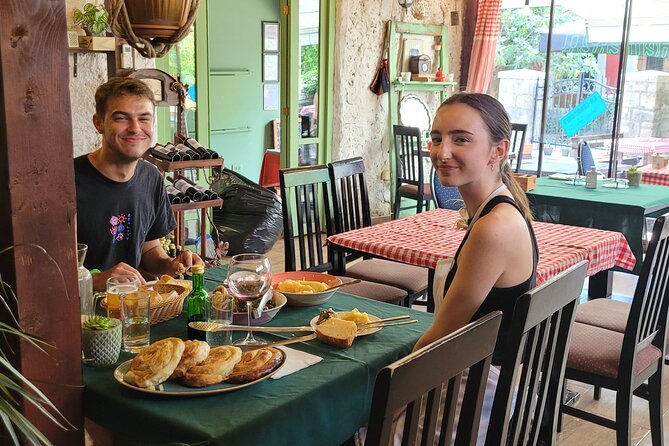
Reviewed · MOSTAR TOURS
Traditional Bosnian Cooking Class in Mostar with Lunch and Drinks
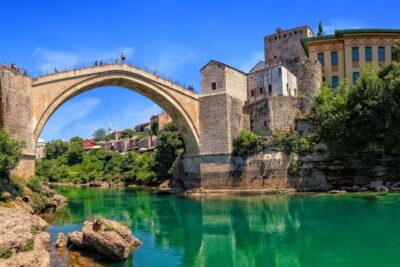
Mostar’s old town is easy to admire from a bridge, but this class lets you work with Bosnian food at the stove and table. At Food House Mostar, an English-speaking host such as Amina guides you through dishes including dolma, japrak, and burek, then serves the food you helped prepare.
I like the relaxed, hands-on format, especially the chance to roll pastry with a long, thin Bosnian pin and try each step yourself. I also like the cultural side: Amina has been open to thoughtful questions about Bosnia’s wartime past, so the evening can offer more than recipes. The main caution is that the start time needs checking, since published details list 5:00 pm while other sessions have run in the morning.
Key things to know before you book
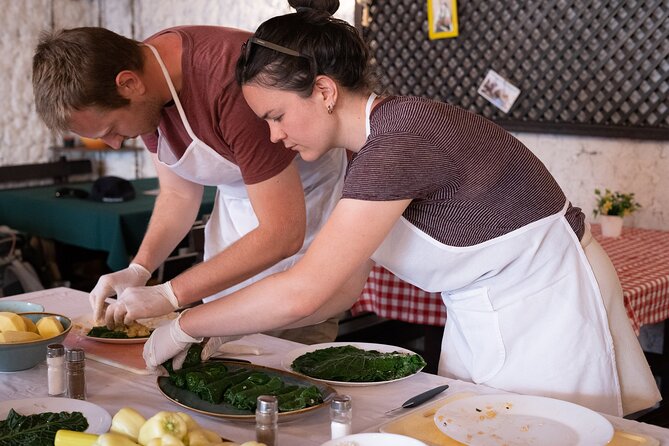
- You cook, rather than watch: You knead, stir, season, fill vegetables, and work with pastry yourself.
- Amina is a popular instructor: Her patient, easygoing teaching style suits first-time cooks and families.
- The menu has a true home-kitchen feel: Expect Bosnian mezze, stuffed vegetables, pastry, and a sweet finish, with the exact dishes able to vary.
- Drinks are part of the experience: You receive a rakija welcome drink and local wine or beer with the meal.
- The class meets in central Mostar: Food House Mostar is at Rade Bitange 12, and you return there at the end.
- Allow about three hours: The class works best when you arrive hungry and are not rushing to another evening plan.
Cooking Bosnian food in the heart of Mostar
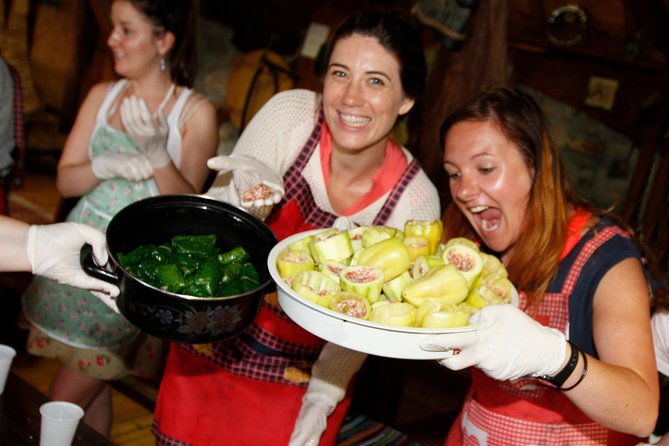
I like this class because it treats food as a doorway into ordinary Bosnian life. You are not simply handed a plate of burek or dolma and told what it is. You learn how the dish comes together, then sit down to eat the result.
The setting is Food House Mostar, at Rade Bitange 12. The class uses a commercial kitchen with the required tools, spices, and ingredients, so you do not need to bring anything beyond an appetite and perhaps a willingness to get flour on your hands.
The format is simple:
- You meet the guide and receive an introduction.
- You begin with an entrée or starter.
- You prepare traditional dishes with instruction.
- You eat what you made as part of a three-course meal.
- You finish with a farewell at the same meeting point.
That structure gives the experience a pleasant rhythm. You begin with conversation and food, move into practical work, then end with a proper meal. It feels more personal than a standard restaurant stop, but it still has enough organization to keep the three-hour session moving.
A few more Mostar days to weigh up
- Bosnian Cooking Lessons
★ 5.0 · 269 reviews
What you may cook: dolma, japrak, and burek
The advertised focus includes dolma and burek, two excellent choices for learning how Bosnian cooking works. Dolma usually refers to vegetables filled with a seasoned mixture, while japrak is made with stuffed vine leaves. The class information lists japrak and dolma as main dishes, along with a Bosnian mezze platter and hurmasice for dessert.
The exact cooking sequence can vary. Past sessions have included stuffed peppers, kale leaves, stuffed pastry spirals, butternut squash pie, and sweet lemon-vanilla cookies. That variation is worth keeping in mind if you are booking mainly for one particular dish. You should expect traditional Bosnian cooking rather than a fixed restaurant menu, but it is sensible to confirm the day’s menu if burek or another specific recipe matters to you.
The pastry work sounds especially useful for home cooks. You learn to roll dough with a long, thin Bosnian rolling pin, a small but memorable detail that gives the class a strong sense of place. Pastry rolling takes practice, and the relaxed teaching style matters here. You are not expected to produce perfect sheets on your first try.
Amina’s patient, hands-on teaching style
Amina is the instructor most closely associated with the class, and her approach is practical. She lets you take part in each stage instead of keeping the important jobs for herself. You can knead, stir, season, shape, and fill the dishes under her guidance.
That is the main reason I would choose this class over a demonstration-only session. You leave with a better sense of the work behind the food. You also have a fair chance of remembering the method later because you physically handled the ingredients.
The teaching suits several kinds of cooks:
- Beginners who want clear instructions without pressure
- Experienced home cooks looking for Bosnian techniques
- Families with children old enough to take part
- Couples who prefer a social evening to another restaurant meal
- Anyone curious about food traditions and local culture
The minimum age is nine. The minimum drinking age is 18, so younger participants can join the cooking and meal while avoiding the alcoholic drinks.
The group can include up to 20 people. That is small enough to sound manageable, though the level of individual attention may depend on the final number. A private or nearly private session can feel especially comfortable, but you should not assume that every departure will have only two or four participants.
From rakija welcome to a full Bosnian meal
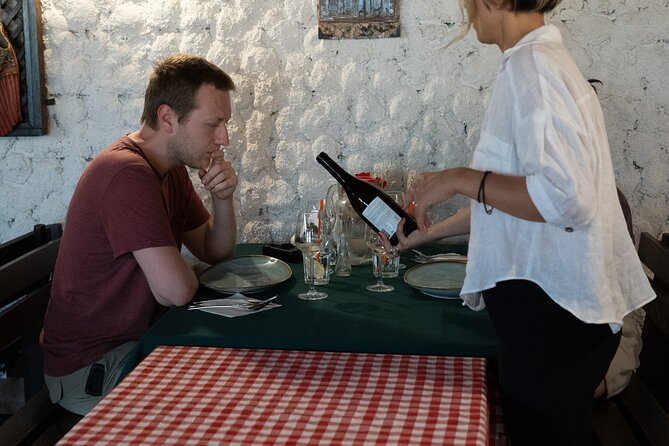
The experience begins with a rakija welcome drink. Rakija is a strong fruit brandy common across the Balkans, so this first taste immediately places the meal in a regional context. If you do not drink alcohol, mention your needs when booking and ask what alternatives are available.
The meal includes local wine or beer. Additional beverages are not included, so keep that detail in mind if you expect several drinks. Some sessions have also included coffee, small snacks, or fruit-based drinks such as elderberry cordial, but those extras are not guaranteed in the stated package.
The listed sample menu includes:
- Bosnian mezze platter
- Japrak
- Dolma
- Hurmasice
Hurmasice are syrup-soaked Bosnian cookies, often served as a sweet ending. Their texture and preparation make them a nice contrast to the savory stuffed vegetables and pastry.
The phrase three-course meal does not map perfectly onto every item in the sample menu, which names a starter, two mains, and dessert. Think of it as a generous home-style meal built around several preparations rather than a tightly formal restaurant sequence.
Come hungry. The point is not merely to taste a few spoonfuls. You prepare the food, then sit down to eat it, and the portions may be substantial enough that you have leftovers. In some sessions, people have been able to pack up remaining food for later meals. That is a useful bonus after a hands-on class.
A completely different kind of day out of Mostar:
- From Dubrovnik: Mostar and Kravica Waterfall Day Trip
★ 4.7 · 4,709 reviews - Dubrovnik: Kravica Waterfalls, Mostar and Pocitelj Day Trip
★ 4.5 · 3,045 reviews - Discover Herzegovina Day Tour from Mostar: Kravice Waterfalls, Blagaj, Počitelj
★ 5.0 · 742 reviews - Herzegovina Day Tour from Mostar: Blagaj, Pocitej, Kravice falls (Join Us! :D)
★ 5.0 · 372 reviews
Food as a way to understand Mostar
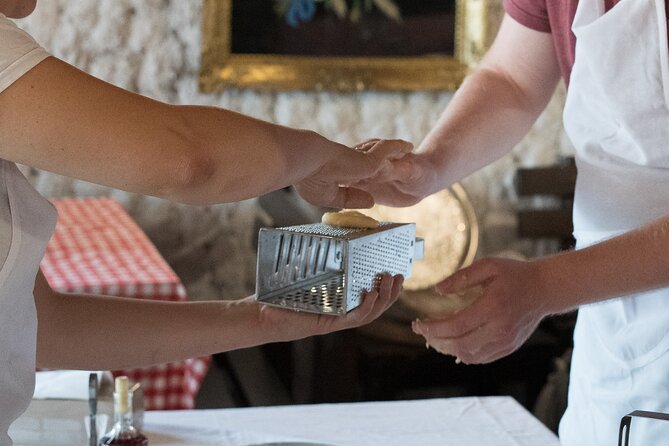
The class has a cultural layer that makes it more valuable than a cooking lesson alone. Bosnian food reflects home cooking, hospitality, and the region’s mix of culinary influences. Stuffed vegetables, filled leaves, pastry, mezze, and syrupy sweets all reward slow preparation and sharing.
Amina has also been willing to discuss Bosnia’s war when asked, drawing on her own experience. That conversation will not suit everyone, especially if you want a purely lighthearted food activity, but it can help place Mostar’s present-day warmth in a more honest context.
I appreciate that this kind of conversation is optional and participant-led. You can focus on the recipes, or you can ask broader questions about Bosnia, Mostar, and the country’s difficult recent past. Either way, the setting at a shared table makes the cultural exchange feel natural rather than staged.
Timing, location, and the practical details
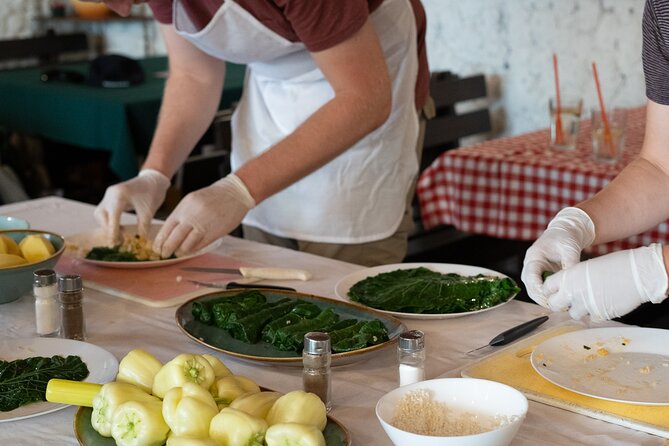
The activity lasts about three hours and ends back at Food House Mostar. The published start time is 5:00 pm, making it a convenient evening plan after sightseeing around Mostar. You do not need hotel transport, since pickup and drop-off are not included.
There is some inconsistency around departure times. The experience is described as offering morning or afternoon departures, and morning sessions have taken place, but the stated meeting time is 5:00 pm. Confirm the exact time after booking and check your confirmation carefully. One participant received an incorrect time through the booking information and missed part of the class, although the hosts apologized.
The class is offered in English. A multilingual guide may be available on request, but that should be arranged in advance rather than assumed. Specific dietary requirements should also be supplied when booking. The kitchen has the ingredients, spices, and equipment, but the available menu and substitutions are not fully detailed.
Confirmation is sent within 48 hours, subject to availability. The experience requires at least two people per booking and may be canceled if the minimum number is not reached. In that case, you are offered another date or experience, or a full refund.
The class is often booked well ahead, with an average booking lead time of about 44 days. I would not leave it until the last moment if your Mostar schedule is fixed, especially during a busy travel period.
Is $90.11 a fair price?
At $90.11 per person, this is not the cheapest way to eat in Mostar. You can find a simple local meal for much less. But that comparison misses the point.
Your fee covers about three hours of instruction, use of a commercial kitchen, ingredients, a welcome rakija, and a three-course lunch or dinner with local wine or beer. You are paying for an activity, a meal, and personal contact with someone who can explain the food and culture.
I consider the price reasonable if you value participation. The class gives you techniques you can try again at home, not just a meal that disappears. The leftovers can add practical value, too, when the amount of food is generous.
The value is less clear if you want a quick, inexpensive dinner or if you dislike group activities. It is also worth confirming the schedule and menu before paying, since the exact dishes and timing can vary.
Who will enjoy this class most?
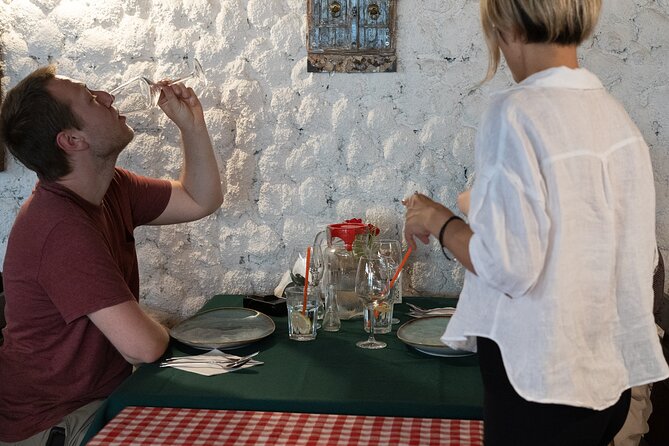
I would recommend it most strongly to anyone spending at least two nights in Mostar and wanting one activity that combines food, conversation, and culture. It fits well between walks through the old town and other sightseeing.
Families can do well here because the minimum age is nine and children have the chance to make food rather than sit through a long explanation. The children who have taken part were especially interested in eating dishes they had prepared themselves.
Couples and solo visitors can also enjoy the format. Amina’s calm manner makes it easier to join in even if you are not confident in the kitchen. A small booking can feel particularly personal, although the maximum group size is 20.
I would be more cautious if you have severe dietary restrictions, do not drink alcohol, or need a guaranteed morning departure. Those needs may be manageable, but you should state them before confirmation.
My call: book it if you want more than a meal
I would book this experience if you want to understand Bosnian food by making it yourself. The strongest reasons are Amina’s patient instruction, the chance to work with pastry and stuffed vegetables, and the meal that follows your own cooking.
Before booking, confirm the start time, ask about the expected menu, and provide dietary details. If you want a fast dinner, a fixed menu, or a guaranteed private lesson, this may not be the right fit.
For most visitors who enjoy food and conversation, it is a thoughtful use of three hours in Mostar. You leave with a full stomach, several traditional dishes in your memory, and a better feel for the people and customs behind the food.
FAQ
Where does the cooking class start?
It starts at Food House Mostar, Rade Bitange 12, Mostar 88104, Bosnia and Herzegovina.
Where does the activity end?
The activity ends back at the Food House Mostar meeting point.
How long does the class last?
The class lasts approximately three hours.
What time does the class start?
The stated start time is 5:00 pm. The experience information also refers to morning or afternoon departures, so confirm your exact start time after booking.
Is the class offered in English?
Yes. The class is offered in English. A multilingual guide may be available on request.
What food will I make?
The advertised dishes include dolma and burek. The sample menu includes a Bosnian mezze platter, japrak, dolma, and hurmasice. Other sessions have included stuffed peppers, kale leaves, pastry spirals, butternut squash pie, and cookies, so the exact menu can vary.
Are drinks included?
A rakija welcome drink and local wine or beer with the meal are included. Additional beverages are not included.
Is hotel pickup included?
No. Hotel pickup and drop-off are not included. You meet at Food House Mostar and finish there.
Can children join the class?
Yes. The minimum age is nine. The minimum drinking age is 18.
How far in advance can I cancel?
You can cancel for a full refund up to 24 hours before the experience start time. Changes or cancellations made less than 24 hours in advance are not accepted for a refund.
More Hands-On Workshops in Mostar
Just added around Mostar
- Pocitelj City Tour★ 4.5 · 3 reviews
- Walking Tour in Old Town Mostar★ 5.0 · 5 reviews
- Mostar War Heritage Walking Tour★ 5.0 · 6 reviews
- Mystical Sutjeska National Park★ 5.0 · 3 reviews
- Mostar Shelters tour in Mostar★ 5.0 · 9 reviews
- Mostar gastro and historical treasures★ 5.0 · 6 reviews
- Mostar & Herzegovina Tour★ 3.5 · 6 reviews
- Mostar Guided Tour & Sweet Delights★ 5.0 · 3 reviews
Mostar Tours, compared.
Kravica Waterfalls, Mostar and Pocitelj Day Trip
Read our review →
Discover Herzegovina Day Tour from Mostar: Kravice Waterfalls, Blagaj, Počitelj
Read our review →
Herzegovina Day Tour from Mostar: Blagaj, Pocitej, Kravice falls (Join Us! :D)
Read our review →
Mostar and Kravice Waterfalls Full-Day Tour from Split
Read our review →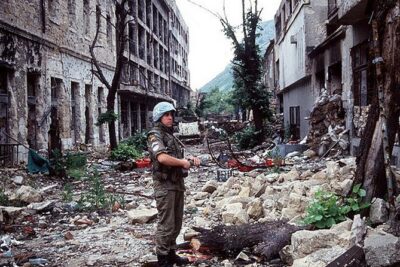
Break-up of Yugoslavia & The War in Mostar: Life Under Siege
Read our review →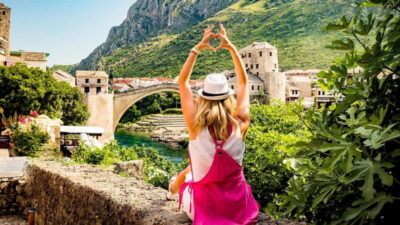
Mostar & Kravice Waterfalls: Guided Day Trip from Dubrovnik
Read our review →
Browse the lists this tour appears in