
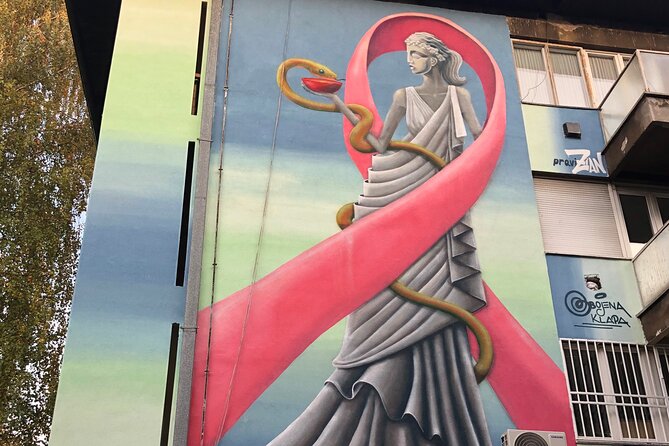
Reviewed · HISTORY TOURS IN SARAJEVO
SARAJEVO STREET ART TOUR (art, history & mystery) – sARTajevo!
Sarajevo’s street art is more than decoration. On this small-group walk, murals, stickers, and painted walls become clues to the city’s wars, politics, creative life, and changing identity. I especially like the personal insight from local guides such as Alan, Ado, and Mak, and the chance to see works you could easily miss while following the usual sightseeing route.
I also like the maximum group size of five, which should make it easier to ask questions and discuss the art. The main drawback is that the tour may feel a little light for visitors expecting a long list of major murals, since one review found the content and structure could use more development.
Key points to know before booking
- The tour links art with Sarajevo’s past, including the Srebrenica 1992/1995 mural and works connected to the city’s wartime memory.
- You visit five distinct areas, from Bentbaša and Papagajka to the Academy of Fine Arts and Ferhadija.
- The group is capped at five people, making this more personal than a standard city walk.
- Guide quality is a major strength, with Alan, Ado, and Mak praised for clear English, local knowledge, and personal connections to Sarajevo’s art scene.
- The 6:00 pm start suits a late-afternoon walk, but you should be ready to walk outdoors for two to three hours.
- At $30.04 per person, the price is fair if you want interpretation and local context, not simply a checklist of painted walls.
Sarajevo’s walls tell a different city story
Most first-time visits to Sarajevo focus on the old bazaar, Austro-Hungarian buildings, religious landmarks, and the traces of the 1990s war. Those places matter, but they do not show the entire city. This tour turns your attention to walls, stickers, galleries, and buildings that often sit just outside the standard sightseeing path.
That shift is the real reason to book. You are not only looking at color and design. You are learning how artists respond to memory, public space, architecture, politics, and everyday life in Sarajevo.
The guide explains each mural in detail rather than rushing past it. That matters because street art can be difficult to read without context. A painted figure, symbol, or phrase may mean little to you at first. With an English-speaking guide beside you, the work becomes part of a larger story about the city.
The tour is also personal in a way that a regular art lecture cannot be. Alan has shown his own work during the walk, while Ado and Mak have been praised for their direct knowledge of local artists and the people connected with the pieces. The guide you receive may vary, but the format puts you with someone who understands Sarajevo’s art world from close range.
More History Tours in Sarajevo
- Sarajevo Full Day Tour: History, Culture, Nature, War & Olympics
★ 5.0 · 27 reviews - Sarajevo genuine walking tour: Steps through history
★ 5.0 · 22 reviews - BOSNIAN PYRAMIDS TOUR (nature, history & archeology)
★ 5.0 · 17 reviews
Bentbaša begins with art and memory
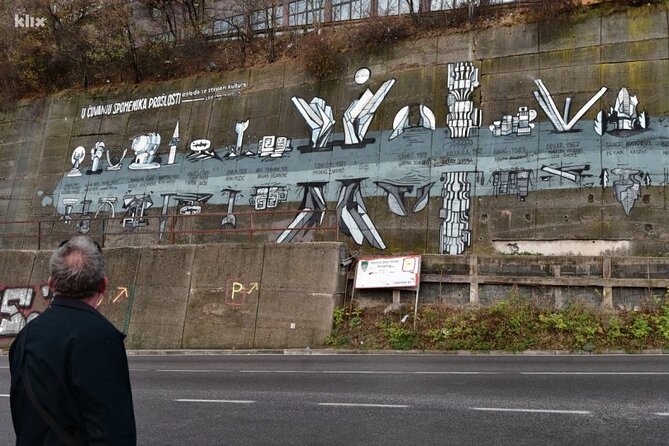
The first stop is Bentbaša, where you see the mural titled In the Preservation of Monuments of the Past. The title alone points to one of the tour’s main ideas: public art can preserve memory when a city is still deciding how to talk about its past.
Your guide explains the mural rather than treating it as a quick photo stop. That makes Bentbaša a useful opening because it sets up the connection between art and remembrance that returns later in the route.
The stop lasts about 20 minutes, and admission is free. Since this is a walking experience through public spaces, you do not need to budget for entry tickets at any of the listed locations.
I would pay attention to how the work fits its surroundings. Street art is not displayed in a quiet museum room. Buildings, traffic, weather, and passing residents all form part of the setting. The guide’s explanation helps you consider the mural as a piece of public conversation, not only an image on a wall.
Papagajka shows Sarajevo’s experimental side
The second stop takes you to Copy Papagajka, an art building also associated with the name Perrot. This is where the tour shifts from a single mural to the wider story of Sarajevo’s street art movement.
The building hosted the first street art festival, and wall art examples are found here as well. That gives you a chance to see how organized art events can shape a city’s creative scene. You are not just looking at one finished piece. You are hearing about a place where artists gathered, experimented, and helped make street art more visible.
The visit lasts around 20 minutes. It is a compact stop, but it adds useful background to the rest of the walk. Without it, the murals might seem like isolated works. With it, you can begin to see connections between festivals, individual artists, public walls, and Sarajevo’s modern cultural life.
The limitation is simple: the tour does not promise a large formal exhibition or a long gallery visit here. Papagajka works best for you if you enjoy learning how an art scene developed, even when the setting is informal.
The Academy of Fine Arts connects old design with new stickers
The Academy of Fine Arts is the longest stop, at about 30 minutes. It is also one of the most varied. Here, the guide uses art examples to discuss Sarajevo’s past and shows you what is described as the city’s most beautifully designed object.
This is an important change of pace. Street art does not exist by itself. It sits within a city that also has formal architecture, established art institutions, and long-running design traditions. The Academy gives your guide a strong place to connect those strands.
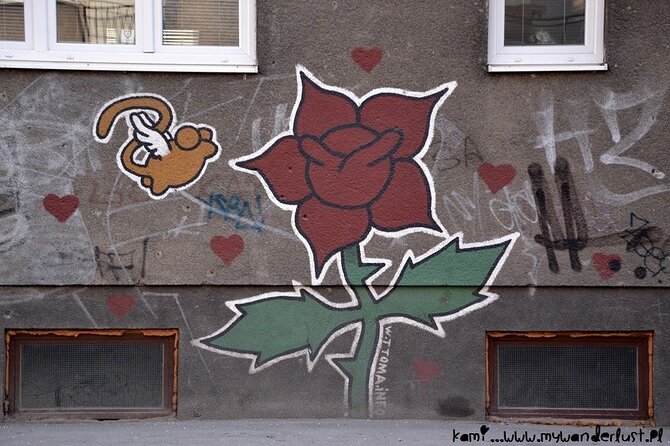
You will also see sticker art demonstrated and explained. Stickers are easy to overlook because they are small, quick to place, and often crowded by other urban signs. The guide helps you notice how this smaller form of public art works differently from a mural.
If you are not an art specialist, do not worry. One of the tour’s useful qualities is that it does not require a background in art. The explanations are intended to make the subject approachable, including for someone who normally walks past painted walls without giving them much thought.
A completely different kind of day out of Sarajevo:
- Sarajevo: Mostar, Konjic, Blagaj Tekke, Pocitelj & Waterfall
★ 4.9 · 1,335 reviews - Fall of Yugoslavia, Sarajevo War Tour with Tunnel of Hope Museum and Frontlines
★ 5.0 · 1,314 reviews - Sarajevo: Mostar, Konjic, Sufi House, Pocitelj & Kravice Falls
★ 5.0 · 1,179 reviews - ROSES OF SARAJEVO (Official WAR + CITY tour)- Story of a Survivor
★ 5.0 · 770 reviews
Aria brings together Mr. Chat, the Singer, and Boris Smoje
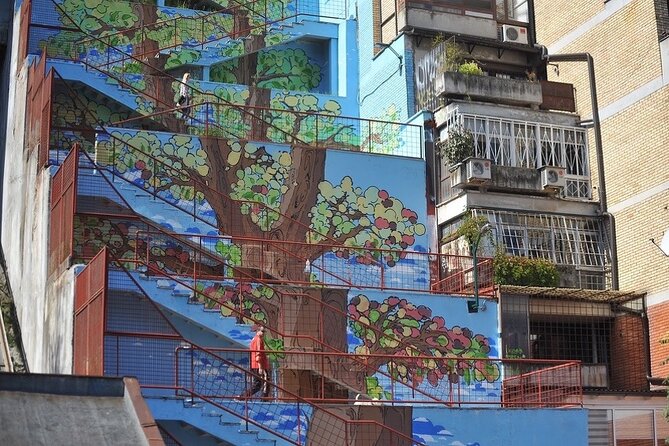
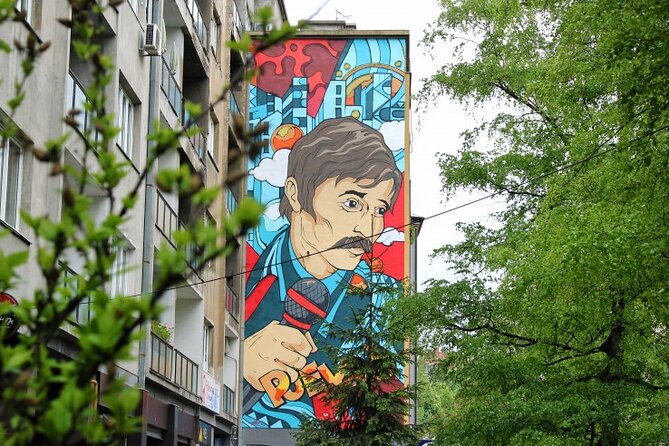
At Aria, the route gathers several different types of work in one area. You see locations connected with Mr. Chat, the Singer mural, also called Pjevač, and the Boris Smoje Gallery.
This stop should appeal to you if you want variety. Mr. Chat is associated with a recognizable street-art concept, while the Singer mural gives the guide another chance to discuss a specific public work. The gallery adds a different setting and shows how Sarajevo’s art life reaches beyond walls and stickers.
The visit lasts around 20 minutes. That is enough time for explanations, but not enough for a full gallery program. Think of it as a focused introduction to several connected sites rather than a long museum stop.
I like this part of the route because it shows that Sarajevo’s creative life is not limited to one style. You move between street imagery, a named mural, and a gallery setting. That variety keeps the walk from becoming a repeated sequence of wall after wall.
Ferhadija gives the tour its heaviest subject
The final listed stop is behind Ferhadija Pedestrian Street, where you see the mural Srebrenica 1992/1995. The guide also introduces the surrounding graffiti scene and explains the art found along the street.
This is likely to be the most emotionally serious section of the walk. The Srebrenica mural connects public art with one of the most painful subjects in Bosnia and Herzegovina’s recent past. The work is not presented as a detached art object. Its location and subject make it part of Sarajevo’s ongoing effort to remember, mourn, and discuss what happened.
Allow yourself time to listen here. A street-art tour can be lively and informal, but this subject calls for attention and respect. If you want only playful graphics and colorful walls, this stop may feel heavier than expected. If you want art that helps explain how a city carries memory, it is one of the most meaningful parts of the route.
The 30-minute visit also gives your guide room to place the mural within the wider graffiti scene. That balance is useful. You get both the serious historical subject and a look at the broader ways artists use public space today.
Why the guide matters more than the walls
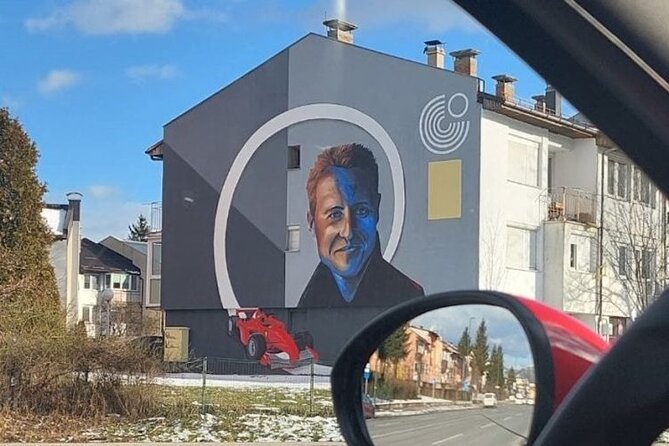
You can find some Sarajevo murals by yourself. You can also use a phone to search for background information. What you cannot easily reproduce is the guide’s selection of lesser-known pieces, personal connections, and local explanation.
This is where the tour earns its price. The best feedback centers on guides who speak clear English, explain both art and history, and show examples of their own work. Mak, Alan, and Ado have each been praised for making the subject understandable to people with little experience in art.
A guide can also point out changes that are easy to miss. Street art may fade, be painted over, or be partly hidden by construction and daily city life. The tour is therefore less about seeing a fixed collection and more about learning how to look at Sarajevo’s public spaces.
The group limit of five is a real advantage. You should have room to ask why a work matters, what a symbol means, or how street art developed in the city. A larger group could still cover the same ground, but it would likely feel less conversational.
What $30.04 buys you
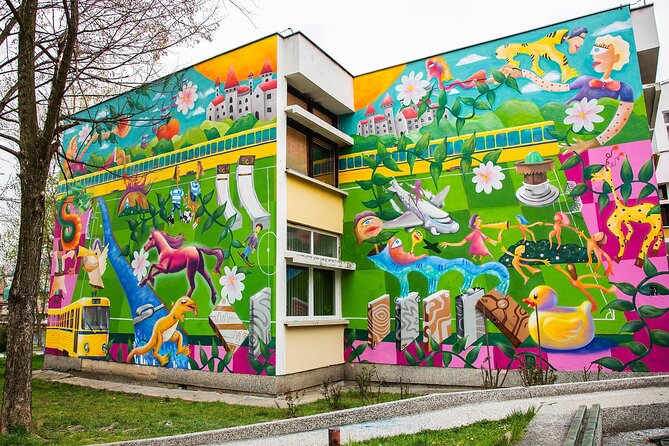
At $30.04 per person, this is not the cheapest way to spend two hours in Sarajevo. You can walk much of the city without paying anything, and the murals themselves have no admission charge.
The value comes from the interpretation. You are paying for an official, accredited guide, a planned route, local art knowledge, and access to pieces you might not locate on your own. You are also getting a small group rather than a crowded walk.
I would consider the price fair if you enjoy cultural context and want to understand why the art exists. It is less compelling if you only want a fast photo tour or a broad list of famous paintings.
The tour’s 4.9 rating from 18 reviews and recommendation rate of 94 percent suggest a strong overall experience, but the sample is small. The one three-star assessment is worth taking seriously. It praised the guide’s insider knowledge and the varied route, while finding the organization and amount of material could be stronger. That is a reasonable caution: Sarajevo has more street art than this two-to-three-hour route can cover.
Timing, walking, and practical details
The meeting point is Đulagina 2 in Sarajevo, and the walk begins at 6:00 pm. It ends back at the same meeting point, which makes planning your evening simpler.
The stated duration is approximately two to three hours. The listed stop times add up to about two hours, with the remaining time presumably allowing for walking and transitions between locations. You should plan for an outdoor walk rather than a series of indoor visits.
The tour is offered in English and uses a mobile ticket. Confirmation is provided when you book. It is near public transportation, and most people can participate. Service animals are allowed.
The small group size is capped at five people, but the experience requires a minimum number to operate. If that minimum is not reached, you are offered another date or experience, or a full refund.
You can cancel for a full refund up to 24 hours before the local start time. Cancellations or changes made less than 24 hours before the start are not refunded or accepted.
Who will enjoy this walk most
I would choose this tour if you have already seen Sarajevo’s main historic sights and want a different way to understand the city. It also works well early in a stay, since the guide may give you visual clues that make later walks more rewarding.
You do not need formal art training. In fact, the experience may be especially useful if you normally feel unsure how to approach street art. The guide explains the works in plain terms and connects them to local life.
History-minded visitors should appreciate the way the route handles memory, especially at Bentbaša and the Srebrenica mural. Design fans will get more from the Academy of Fine Arts and the architectural setting. Younger visitors and anyone interested in contemporary culture may prefer this to another conventional museum visit.
I would hesitate only if you need a tightly structured, exhaustive survey of Sarajevo’s entire street-art scene. The route is selective, and the content may feel underdeveloped if your main goal is quantity.
Should you book Sarajevo Street Art Tour?
Book it if you want Sarajevo explained through its public art, not just its monuments. The strongest reasons are the tiny group, the English-speaking local guide, the mix of murals and architecture, and the personal connection offered by guides such as Alan, Ado, and Mak.
Go in expecting interpretation and conversation rather than a giant catalog of artworks. At $30.04, the tour is good value for visitors who want context, local perspective, and a route that shows how Sarajevo’s creative life continues to develop. If that sounds like your kind of city walk, this is a worthwhile addition to your Sarajevo plans.
FAQ
Where does the Sarajevo Street Art Tour begin?
The tour begins at Đulagina 2, Sarajevo 71000, Bosnia and Herzegovina.
What time does the tour start?
The tour starts at 6:00 pm.
Where does the tour end?
The activity ends back at the meeting point at Đulagina 2.
How long does the tour last?
The tour lasts approximately two to three hours.
What language is the tour offered in?
The tour is offered in English.
How many people can join the tour?
The tour has a maximum of five participants.
Are admission tickets included?
All listed stops have free admission, so no separate entry ticket is required for the itinerary described.
Can I cancel for a full refund?
Yes. You can cancel at least 24 hours before the local start time for a full refund. Changes or cancellations made less than 24 hours before the start are not accepted or refunded.
Just added around Sarajevo
- Private Full Day Safari Tour★ 5.0 · 8 reviews
- Walking Tour in Sarajevo★ 5.0 · 3 reviews
- Sarajevo Under Siege: A War History Tour★ 5.0 · 10 reviews
- Mysterious Visoko Pyramids Driving and Walking Tour★ 5.0 · 7 reviews
- Secret Tito’s Bunker/Konjic Tour★ 5.0 · 4 reviews
- Travnik, Jajce, Pliva Lakes & Mills –Medieval & Ottoman Bosnia Full Day Tour★ 5.0 · 3 reviews
- The last day of Franz Ferdinand Walking Tour★ 5.0 · 10 reviews
- Sarajevo to/from Zagreb Transfer Day Tour (North-central Bosnia)★ 5.0 · 4 reviews
History Tours in Sarajevo, compared.
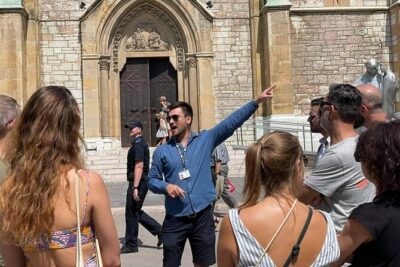
Sarajevo Full Day Tour: History, Culture, Nature, War & Olympics
Read our review →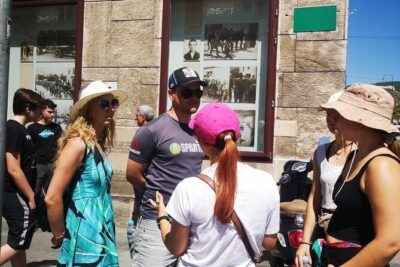
Sarajevo genuine walking tour: Steps through history
Read our review →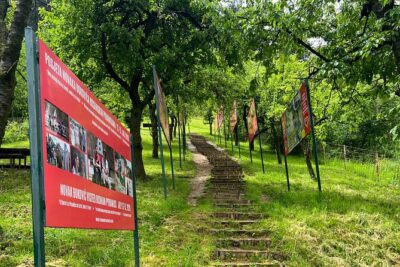
BOSNIAN PYRAMIDS TOUR (nature, history & archeology)
Read our review →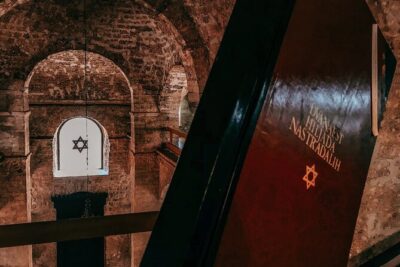
Browse the lists this tour appears in