
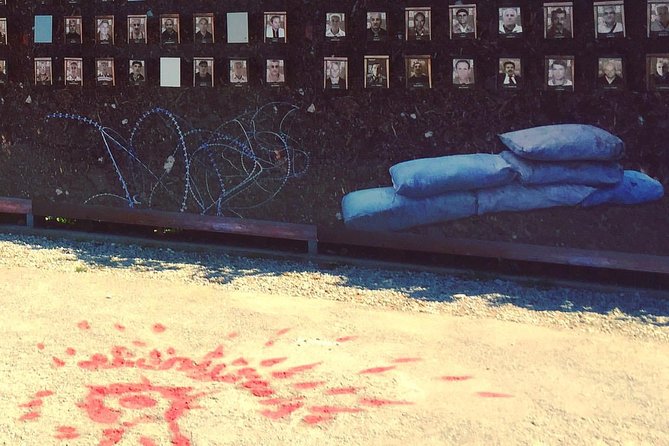
Reviewed · WAR & SIEGE TOURS
Sarajevo Under Siege: A War History Tour
Sarajevo’s Tunnel of Salvation is the heart of this experience. You walk through part of the narrow passage that linked the besieged city with the outside world, then connect that physical space to Sarajevo’s streets, hills, cemeteries, and bombed landmarks. The tour also reaches the White Fortress, Sniper Alley, Lukavica, and restored City Hall.
I like the mix of clear historical context and personal memory, especially when a guide such as Suvad or Evan explains what daily life meant during the siege. I also like the private vehicle, since the sites are spread across Sarajevo and the tour can include pickup in the city center. The main consideration is emotional weight: this is a serious war-history tour, not a light sightseeing ride, and the adult entrance fee of €10.25 is added to the listed price.
Key points to know before you book
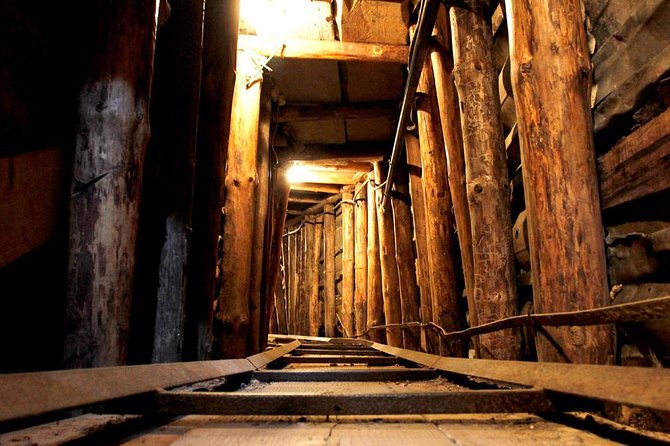
- The Tunnel of Salvation is the main site: You see an original section, wartime objects, and a short film about the siege.
- The guide may make the history personal: The route includes the neighborhood where one guide lived as a child, the street where he played, and the place where his father was buried.
- The White Fortress gives you the city’s best wartime orientation: Its high view helps you understand Sarajevo’s position and the surrounding hills.
- Sniper Alley is viewed from the vehicle: You hear how ordinary trips for water, food, and safety became dangerous acts.
- Lukavica adds difficult post-war context: The route crosses former front-line territory and explains the division between the Federation of Bosnia and Herzegovina and Republika Srpska.
- The advertised price is not the full adult cost: The tour is listed at $30.10 per person, with a separate €10.25 adult entrance fee or €5.25 student fee.
Why this three-hour tour matters
The Bosnian War can feel hard to grasp from a map or a museum label. Sarajevo makes the subject immediate because the war took place in the same streets where people now shop, walk, study, and live.
This tour helps you build that understanding in layers. The White Fortress gives you the geography. Sniper Alley shows the danger of movement through the city. The Tunnel of Salvation explains how Sarajevo stayed connected to the outside world. Lukavica shows how the war still shapes political identity. City Hall brings the story back to culture, memory, and rebuilding.
I like this order because it moves from a broad view to close-up human stories. You are not asked to absorb a long lecture in one room. Instead, each stop gives you a different way to picture the siege.
The tour is private, so only your group participates. That matters here. You can ask direct questions, pause over difficult subjects, and tell the guide how much detail you want. Reviews highlight the guides’ personal stories, careful handling of painful subjects, and willingness to answer questions. Suvad is named in the tour responses, while Evan is praised for bringing the war to life through personal anecdotes.
The tone is serious but not sensational. That is important at places connected with civilian suffering. You should expect a sober account, not battlefield entertainment.
More History Tours in Sarajevo
- Sarajevo Full Day Tour: History, Culture, Nature, War & Olympics
★ 5.0 · 27 reviews - Sarajevo genuine walking tour: Steps through history
★ 5.0 · 22 reviews - SARAJEVO STREET ART TOUR (art, history & mystery) – sARTajevo!
★ 5.0 · 18 reviews
Starting at the White Fortress
The White Fortress, or Bijela Tabija, is a strong place to begin. Built originally in the 16th century, it sits above Sarajevo and gives you a wide view over the city.
Allow about 30 minutes here. The admission is listed as free, and the stop is more than a photo break. From this height, your guide can explain why Sarajevo has always held strategic importance. You can see how the city sits within a narrow valley, surrounded by hills that shaped both its history and the military reality of the siege.
This is the point where geography becomes useful. Later, when the guide talks about shelling and sniper positions, you have a better sense of the city’s layout. You can connect the roads below with the hills around them instead of hearing place names without a picture.
The view is also one of the gentler parts of the tour. If you need a moment before the heavier stops, this gives you space to get your bearings. Wear shoes suitable for a viewpoint and uneven outdoor surfaces, although no special equipment is listed.
Personal memory near Zetra Olympic Hall
The stop near Zetra Olympic Hall shifts the story from military geography to childhood and family. The guide lived in this part of Sarajevo during the war, near the former maternity hospital that was heavily bombed.
The visit lasts about 15 minutes, but its meaning is larger than the clock suggests. You hear about daily survival, constant shelling, and what it meant to grow up surrounded by danger. The route includes the street where the guide grew up and played, along with the place where his father was buried.
This is one of the tour’s most distinctive features. Many history tours can explain dates, commanders, and agreements. Fewer can show you the ordinary street where a child tried to live a normal life during a war.
You should approach this section with respect. The guide’s memory is personal, and the subject may feel more intense than a standard sightseeing stop. If you prefer a strictly academic presentation, this personal element may not suit you. If you want to understand how conflict reached homes and families, it is likely to be one of the most affecting parts of the afternoon.
Crossing the former Sniper Alley
The drive along Sniper Alley helps explain why moving around Sarajevo became so dangerous. This main avenue was exposed to sniper fire, and a simple crossing could put a civilian at risk.
You remain in the vehicle for this part, according to the tour description. That is practical because the road is part of the modern city, not a preserved open-air battlefield. The buildings and traffic of today can make the past difficult to picture, so the guide’s explanation matters.
Listen for the everyday details: fetching water, finding food, reaching work, or trying to get to safety. The horror of a siege was not limited to major attacks. It also appeared in small decisions made many times each day.
This stop is brief in physical terms, yet it gives the entire tour a human scale. You are not just studying a front line. You are considering what it meant to cross a road for an ordinary need.
More tours about the siege and the war:
- Fall of Yugoslavia, Sarajevo War Tour with Tunnel of Hope Museum and Frontlines
★ 5.0 · 1,314 reviews - ROSES OF SARAJEVO (Official WAR + CITY tour)- Story of a Survivor
★ 5.0 · 770 reviews - Tunnel Museum: Bosnian & Yugoslav Wars Tour with War Veteran
★ 5.0 · 551 reviews - Sarajevo War Tour: A Veteran’s Story of the Siege (fees included)
★ 5.0 · 326 reviews
Entering the Tunnel of Salvation
The Tunnel of Salvation is the tour’s central historical site, and you spend about 1 hour and 20 minutes here. Dug secretly beneath the airport runway in 1993, the tunnel connected Sarajevo with territory outside the besieged city.
You walk through a section of the original tunnel. It is narrow, and that physical tightness helps you understand the effort involved in using it. The passage carried food, medicine, and other supplies, and it offered a vital link to the outside world.
The visit also includes wartime objects and a short documentary about the siege. These elements work together well. The tunnel gives you a bodily sense of the space, the artifacts connect the site to real wartime use, and the film supplies background for the larger story.
The separate entrance fee is €10.25 for adults and €5.25 for students. That cost is not included in the listed $30.10 tour price, so budget for it when comparing this experience with other Sarajevo outings.
I would not skip the tunnel to save the entrance fee. It is the place that gives the tour its clearest physical connection to the siege. The main caution is comfort. A narrow historic passage may not be easy for everyone, and the supplied information does not give detailed accessibility specifications. If that could affect you, ask the provider before booking.
Driving through Lukavica and the former front line
The tour continues through Lukavica, an area that was once part of the front line and now belongs to Republika Srpska. This section adds political context that many short war tours leave out.
Your guide explains the post-war division of Bosnia and Herzegovina into the Federation of Bosnia and Herzegovina and Republika Srpska. You also hear how the Dayton Peace Agreement reshaped the country and Sarajevo.
The route includes graffiti and murals glorifying wartime figures such as Ratko Mladić. That detail shows why the war is not simply a closed chapter. Memory remains divided, and public symbols can carry very different meanings depending on a person’s identity and political view.
This is a valuable part of the tour, but it may feel less tidy than the earlier stops. You are not being shown a neatly resolved story. You are seeing how borders, memory, and public space still reflect the conflict.
The provider describes this section as a chance to think about reconciliation and the long road to peace. I would treat it as a prompt for questions, not as a final answer. The guide can explain the setting, but no three-hour tour can settle every political dispute connected with Bosnia.
Sarajevo City Hall and the cost of cultural loss
The final landmark is Sarajevo City Hall, known as Vijećnica. Built in 1896 during the Austro-Hungarian period, it later housed the National Library.
In August 1992, Serbian forces shelled the building. The fire destroyed almost two million books and manuscripts. That loss gives the war a cultural dimension that is easy to overlook when attention stays on military events and damaged buildings.
Today the restored building represents both destruction and renewal. Your guide explains what Vijećnica means to Sarajevo’s cultural identity, making it a fitting final stop.
The tour begins and ends at the City Hall meeting point, listed at Hafiza Ibrahima Trebinjca 10. Pickup is also offered from hotels or locations in Sarajevo city center, beginning about 15 minutes before the 1:30 pm start. If you are staying outside the center, contact the provider ahead of time to arrange details.
Price, private transport, and timing
The listed price is $30.10 per person, before the separate site entrance fee. For an adult, the practical total includes an additional €10.25. Students pay €5.25 for the entrance, according to the supplied pricing.
For a private three-hour tour with an air-conditioned vehicle, private transport, and onboard WiFi, that can be fair value, especially if you are sharing the vehicle with family or friends. You are paying not only for transport between scattered sites, but also for a guide who can shape the history around your questions.
The tour starts at 1:30 pm and returns to the meeting point. It is offered in English. Confirmation is provided when you book, and pickup within central Sarajevo is available.
The schedule is fairly full. The Tunnel of Salvation receives the most time, while some city stops are short. That is sensible, but you should not expect long independent visits at every location. This is a guided overview with selected stops, not a full day devoted to each museum and memorial.
The experience requires good weather and a minimum number of participants, despite being private for your group once confirmed. You can cancel for a full refund up to 24 hours before the start time. Cancellations or changes made later are not refunded, and a weather or minimum-number cancellation offers a different date or a full refund.
Who will get the most from this tour
I would choose this tour if you want Sarajevo’s recent history explained through places you can actually see. It suits people who value direct conversation with a local guide and want more than a general city tour.
It is especially useful early in your Sarajevo stay. The White Fortress and Sniper Alley give you a mental map that can help you understand later visits to museums, cemeteries, and other war sites.
Families with older children may find the personal stories useful, but parents should decide if the material is suitable. The discussion includes death, bombing, burial, and civilian danger. It is not designed as a carefree family outing.
The tour also suits solo visitors who want a private setting for questions. It may be less suitable if you want a long museum visit, a relaxed pace, or a narrowly military account. The personal and political sections are central, not side notes.
The perfect guide matters. The supplied comments single out Suvad and Evan for clear explanations, personal anecdotes, and respectful handling of the subject. Since guide assignment may vary, you should book for the structure and content rather than assume a particular person will lead your group.
Should you book Sarajevo Under Siege?
Book it if you want to understand how the siege affected streets, families, supplies, culture, and post-war identity. The Tunnel of Salvation is worth prioritizing, and the private vehicle makes it easier to connect sites across the city in a short afternoon.
Think twice if war history feels too heavy, if you need detailed accessibility information for the tunnel, or if you want a longer, slower visit at each location. Also remember that the listed price does not include the adult entrance fee.
For most people interested in Sarajevo’s recent past, this is a strong use of three hours. The best reason to choose it is not the number of stops. It is the way the route connects a city view, a dangerous avenue, a lifeline underground, a divided post-war neighborhood, and a burned library into one clear story.
FAQ
How long does the Sarajevo Under Siege tour last?
The tour lasts approximately three hours.
What time does the tour start?
The tour starts at 1:30 pm.
Where does the tour begin?
The listed meeting point is Sarajevo City Hall, at Hafiza Ibrahima Trebinjca 10, Sarajevo 71000, Bosnia and Herzegovina.
Can I be picked up from my hotel?
Yes. Pickup is offered from hotels or other locations within Sarajevo city center. Pickup begins about 15 minutes before the tour starts.
Does the tour return to the starting point?
Yes. The activity ends back at the meeting point.
Is the tour private?
Yes. Only your group participates in the private tour.
What language is the tour offered in?
The tour is offered in English.
Is the Tunnel of Salvation entrance included?
No. The entrance fee is separate. Adults pay €10.25 per person, while students pay €5.25 per person.
What is included in the tour price?
The tour includes an air-conditioned vehicle, private transportation, and WiFi on board.
Can I cancel for a full refund?
Yes. You can cancel at least 24 hours before the experience start time for a full refund. Late cancellations and changes are not refunded.
Just added around Sarajevo
- Private Full Day Safari Tour★ 5.0 · 8 reviews
- Walking Tour in Sarajevo★ 5.0 · 3 reviews
- Mysterious Visoko Pyramids Driving and Walking Tour★ 5.0 · 7 reviews
- Secret Tito’s Bunker/Konjic Tour★ 5.0 · 4 reviews
- Travnik, Jajce, Pliva Lakes & Mills –Medieval & Ottoman Bosnia Full Day Tour★ 5.0 · 3 reviews
- Sarajevo to/from Zagreb Transfer Day Tour (North-central Bosnia)★ 5.0 · 4 reviews
- Tour of Herzegovina – From Sarajevo★ 5.0 · 3 reviews
- The last day of Franz Ferdinand Walking Tour★ 5.0 · 10 reviews
War & Siege Tours, compared.
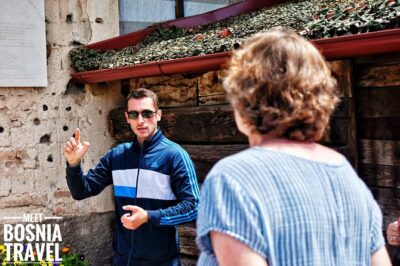
Fall of Yugoslavia, Sarajevo War Tour with Tunnel of Hope Museum and Frontlines
Read our review →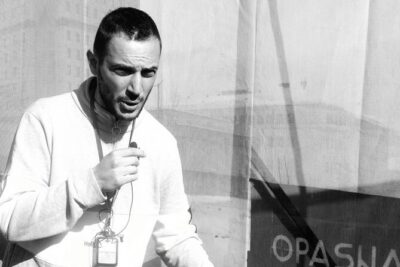
ROSES OF SARAJEVO (Official WAR + CITY tour)- Story of a Survivor
Read our review →
Tunnel Museum: Bosnian & Yugoslav Wars Tour with War Veteran
Read our review →
Sarajevo War Tour: A Veteran’s Story of the Siege (fees included)
Read our review →
Break-up of Yugoslavia & The War in Mostar: Life Under Siege
Read our review →
Sarajevo to Srebrenica: Genocide Study Tour with War Veteran
Read our review →
Sarajevo Grand Tour: Old Town, War Tunnel, Olympic Sites & More
Read our review →Browse the lists this tour appears in