
Reviewed · SREBRENICA GENOCIDE TOURS
Understanding Srebrenica Genocide Tour + Lunch with Local Family Included
The most powerful part of this day is not simply seeing the Srebrenica Memorial. It is the way the visit connects the memorial, the former UN compound, the town itself, and a home-cooked meal with a family from the local community. This is a history tour with a human face, and it asks you to listen carefully.
I especially like the small group of no more than eight people and the chance to travel with guides such as Adnan, Almir, or Ado, several of whom bring personal wartime experience to the conversation. I also like the family lunch, made from local farm ingredients and served in a home rather than a standard restaurant. The main drawback is the long drive from Sarajevo, plus the emotional weight of the subject. You need to set aside a full day and arrive ready for difficult material.
Key points to know before booking
- Three hours each way: The journey is long, but it gives you time to ask questions and understand the history before arriving.
- Potočari Memorial is the central visit: You have about three hours for the cemetery and memorial exhibitions, though the site deserves careful, unhurried attention.
- A local family prepares lunch: The full-course meal is cooked from scratch with organically grown ingredients from nearby farms.
- Guides add personal context: Adnan, Almir, and Ado have been praised for clear explanations, personal stories, and a respectful tone.
- This is an intimate group outing: A maximum of eight people makes conversation easier than on a large coach tour.
- Dress with the cemetery in mind: Smart casual clothing is requested, with suitable coverage for entering the Muslim cemetery.
Why this Srebrenica day trip matters
Srebrenica is not a light sightseeing stop. The 1995 genocide is the focus, but the day also explains the ethnic cleansing carried out in eastern Bosnia from 1992 onward. That wider setting matters. Without it, the memorial can feel like an isolated tragedy. With it, you begin to understand how villages, detention sites, forced removals, and gathering points formed part of a much larger campaign.
Your guide sets that framework during the drive from Sarajevo. The road takes about three hours each way, so the vehicle becomes an important part of the experience. You have time to ask direct questions and hear how the breakup of Yugoslavia led to war in Bosnia and Herzegovina.
The tone is serious, but it is not meant to be a grim lecture from start to finish. Guides have been praised for balancing painful facts with courtesy, patience, and calm conversation. Almir, for example, served in the army during the war and has shared personal experiences while still keeping the day accessible to people who may know little about Bosnia.
More Srebrenica memorial days:
- From Sarajevo: Srebrenica Genocide Memorial Study Tour
★ 5.0 · 359 reviews - Sarajevo to Srebrenica: Genocide Study Tour with War Veteran
★ 5.0 · 131 reviews - Understanding Srebrenica Genocide – Day tour from Sarajevo
★ 5.0 · 35 reviews
From Romanija to the first stories of ethnic cleansing
The route begins around a small mountain town at the foot of Romanija mountain. The scenery is notably beautiful, which creates a strange contrast with the history being discussed. Here, the guide explains the ethnic cleansing of Bosniaks by Republic of Srpska forces during the 1992 war.
This opening stop gives you geographical grounding. You are not hearing about distant events on a map. You are moving through the same eastern Bosnian region where villages and communities were attacked, emptied, or changed forever. The natural setting may look peaceful, but the guide’s account makes clear how quickly ordinary places can become sites of violence.
The next area is associated with the Sušica concentration camp, established by the Republic of Srpska Army in 1992. More than 8,000 Bosniaks were held there over time. This section of the route is hard to absorb, and you may find that the guide’s explanation during the drive is more useful than trying to take in every detail at once.
The itinerary also covers the Zaklopača massacre. On May 16, 1992, all members of the village were killed, including 59 Bosniaks and 12 children, with only a very small number of survivors. These stops are not built around grand monuments. Their force comes from learning what happened in ordinary settlements and understanding how closely the history is tied to the roads you are traveling.
Srebrenica before the memorial
Before reaching Potočari, the guide explains the 1992 ethnic cleansing of Bosniaks in Srebrenica and the town’s role as the first gathering point for many people later killed in the mass executions of July 1995.
This part of the tour helps you see Srebrenica as a living town, not only as the name of a crime remembered at a cemetery. You learn how people were displaced, how the town became a refuge, and how the events of 1995 fit into the longer wartime story.
The visit is especially valuable if you have already read about the genocide but still struggle to place the events in real space. Seeing the town, then visiting Potočari, helps connect the timeline to physical locations. I would bring a notebook if you want to remember names and dates, but do not expect the schedule to leave much room for extensive note-taking.
Three hours at Potočari Memorial
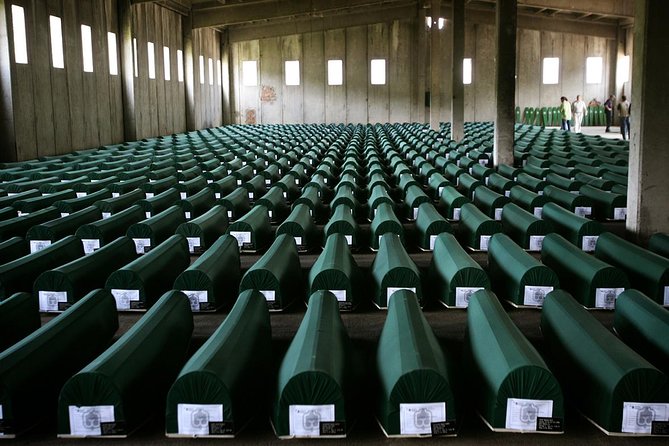
Potočari Memorial Centre is the emotional center of the day. You have about three hours here, including the cemetery and memorial exhibitions dedicated to victims of the July 1995 genocide. Admission is included.
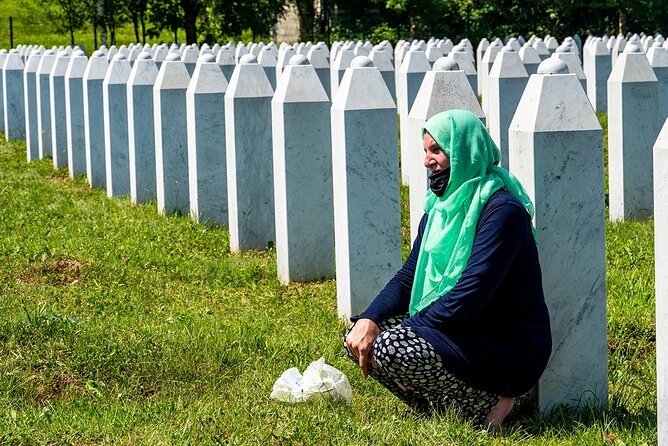
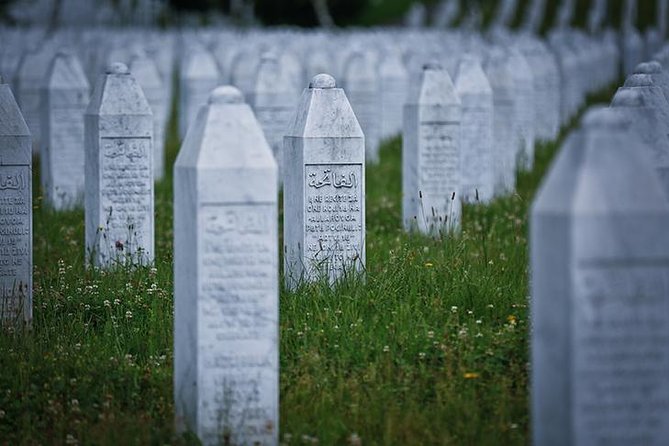
The cemetery is quiet and stark. Rows of white memorial stones make the scale of the killings visible in a way that numbers alone cannot. The memorial site is also a Muslim cemetery, so you should dress respectfully. Smart casual clothing is requested, with suitable coverage for the setting.
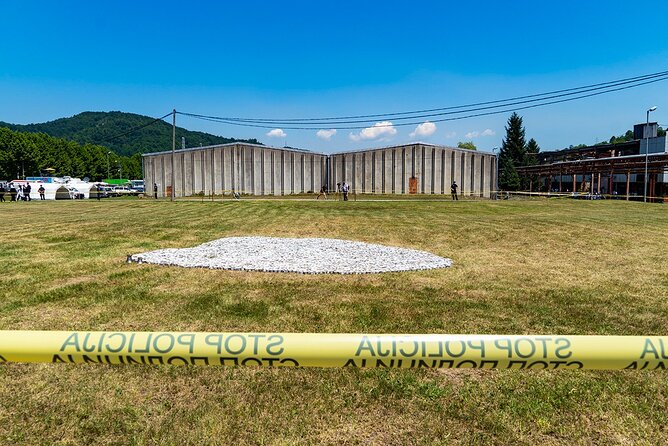
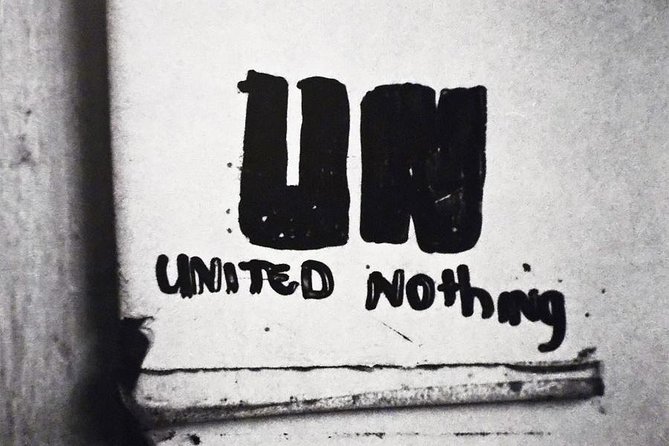
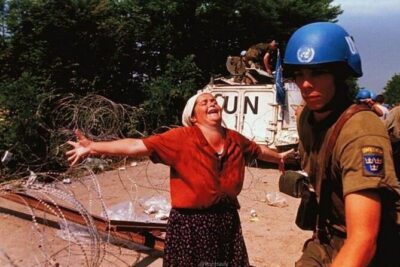
The former UN compound adds another layer to the visit. Thousands of people gathered there seeking protection, but the safety they expected did not come. Seeing the building where people crowded together can be one of the most difficult moments of the day because it turns an abstract failure of international protection into a specific place.
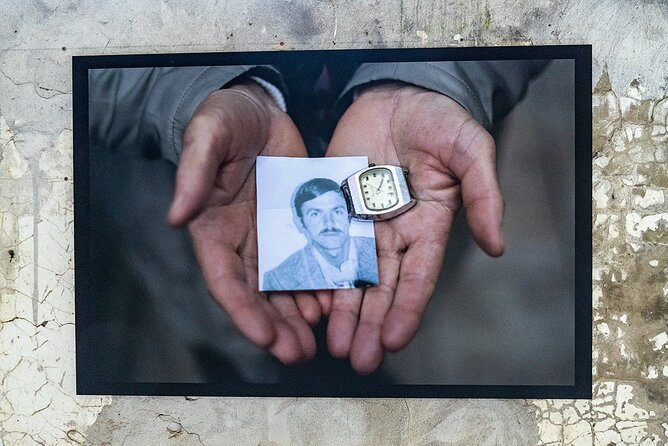
Three hours sounds generous, but the memorial exhibitions contain more material than you can comfortably absorb in one visit. You may need to choose what to focus on. The guide can help you understand the main sequence of events, while the exhibits provide names, testimony, photographs, and documentary evidence.
Give yourself permission to move slowly. This is not a place to rush through simply to keep up with a checklist. At the same time, keep an eye on the meeting time because the day still includes lunch and the return journey to Sarajevo.
A few more Sarajevo days to weigh up
- Lukomir Nomad Village Hiking from Sarajevo – Local Lunch Included
★ 5.0 · 21 reviews - Traditional Bosnian Cooking Class in Mostar with Lunch and Drinks
★ 5.0 · 16 reviews
A home-cooked lunch with a Srebrenica family
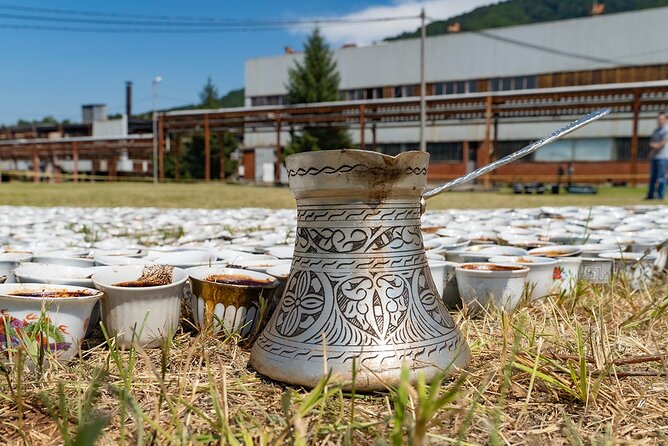
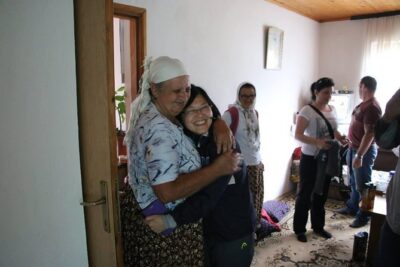
The family lunch is the tour’s most distinctive feature. You sit down for a full-course meal in a local home, with food prepared from scratch using organically grown ingredients from local farms operated by Srebrenica genocide survivors.
This meal does more than break up a difficult day. It lets you meet people who are building daily life in a town often reduced to a tragic headline. The family may share personal stories, including both painful memories and ordinary, hopeful parts of life. You are encouraged to listen, ask thoughtful questions, and avoid treating the visit as a performance.
I see real value in this part of the experience. Money spent here supports local households and a community facing unemployment, genocide denial, and discrimination against its predominantly Bosniak population. The lunch therefore has a direct local purpose, not just a cultural-tourism label.
The meal lasts about an hour. It may be one of the few times during the day when you can process what you have seen without standing in a museum or cemetery. The food has also been widely praised, but the greater value is the welcome and the chance to speak with someone whose life is tied to the place.
Keep your expectations respectful. This is a family home, not a staged folklore show. You should be ready for conversation, silence, or personal stories that may be difficult to hear.
Seeing Srebrenica as a present-day town
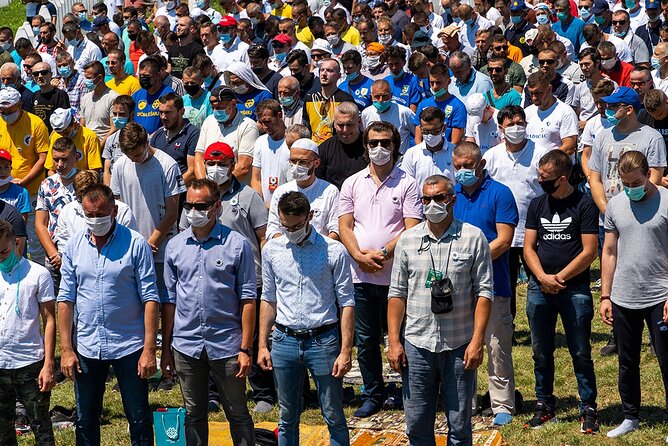
After the memorial and lunch, you visit Srebrenica itself for about an hour. This gives you the chance to see the places discussed at Potočari and add further detail to the genocide story.
The town visit matters because memorials can sometimes make history feel sealed in the past. Srebrenica is still a community where people work, live, raise families, and deal with the lasting effects of the war. The tour’s support for local families is tied to that present-day reality.
There may also be a lunch break connected with this part of the schedule, depending on how the day runs. The exact pace can change because the journey, memorial visit, and family meal all require flexibility. A good guide will keep the group moving without making you feel hurried through the important parts.
What the drive is really like
The tour lasts about 10 hours, with pickup at 8:00 a.m. and return to the starting point in Sarajevo. Pickup is available from any Sarajevo address, including a hotel, hostel, or another agreed location.
The vehicle is private and comfortable, and the small group limit of eight makes a major difference. You can hear the guide clearly, ask questions without interrupting a large crowd, and use comfort stops along the route. Several accounts of the day specifically praise the guides for balancing conversation with breaks.
Still, do not underestimate the road time. A six-hour round trip is a substantial portion of the day. If you dislike long drives, this may feel tiring. The payoff is that the tour takes you to Srebrenica directly from Sarajevo rather than asking you to arrange several difficult connections yourself.
The scenery around Romanija and eastern Bosnia is another part of the route. It does not soften the subject, but it gives you a better sense of the region’s geography. The journey shows how mountain roads and small settlements shaped movement during the war.
Guides and the value of personal history
The quality of the guide matters greatly here. This is not a tour where a standard script is enough. You need someone who can explain the political and military context, answer difficult questions, and know when to stop talking.
Adnan has been praised for giving clear background during the long drive and for providing thoughtful context at the memorial. Almir has spoken from his own wartime experience and is noted for combining personal stories with a positive, courteous manner. Ado is from Srebrenica and has added local details and memories to the route.
Your assigned guide may be different, so you should not book on the assumption that one specific person will lead the outing. Still, the overall approach is clear: expect a guide who can discuss the history directly and bring personal context when appropriate.
A personal account can make the day more meaningful, but it can also make it more emotional. You are free to listen quietly. You do not need to have expert knowledge of the Bosnian war to take part.
Price, group size, and who gets good value
At $96.75 per person, this is a reasonable price for a 10-hour private-vehicle trip from Sarajevo that includes pickup, transport, guiding, the memorial visit, and a full-course home lunch. The value is strongest when you consider the distance and the amount of planning handled for you.
You are not paying only for a ride to a cemetery. The price covers a guide who provides context throughout the day, access to a local family meal, and a small group setting. Organizing the same route alone would require transport planning, timing, and research, while missing the personal connections that give the day its shape.
The tour is often booked well in advance, with an average booking time of about 53 days. If your Sarajevo dates are fixed, I would reserve early rather than assume a last-minute place will be available.
The experience suits adults and older children who can engage respectfully with genocide history. It is a strong choice for anyone who wants to understand Bosnia beyond Sarajevo’s Ottoman and Austro-Hungarian sights. It is less suitable if you want a cheerful sightseeing day, a short excursion, or a highly flexible schedule.
Pickup is offered, mobile tickets are available, and the tour is conducted in English. Service animals are allowed, and most people can participate. Free cancellation is available up to 24 hours before the start time. Changes or cancellations made later are not accepted for a refund.
Should you book this Srebrenica tour?
I would book this tour if you want a serious, carefully guided look at the Srebrenica genocide and its continuing effect on local life. The strongest reasons are the small group, the time at Potočari, the direct connection to places such as Sušica and Zaklopača, and the meal with a local family.
Go in prepared for a long day and difficult subject matter. Wear respectful clothing, keep room in your schedule for quiet reflection, and do not expect to absorb every exhibit at the memorial in one pass. If you can accept those limits, this is one of the most meaningful day trips you can make from Sarajevo.
FAQ
How long does the Srebrenica tour last?
The tour lasts approximately 10 hours. It starts at 8:00 a.m. and ends back at the meeting point in Sarajevo.
Where does the tour start?
The listed meeting point is Funky Tours, Besarina čikma 5, Sarajevo 71000, Bosnia and Herzegovina. Pickup is also available from any address in Sarajevo by prior agreement.
Is hotel pickup available?
Yes. Pickup is offered from hotels, hostels, or another agreed address in Sarajevo.
How many people can join the tour?
The tour has a maximum of eight participants.
Is lunch included?
Yes. A full-course lunch is served in the home of a local family in Srebrenica. The meal is prepared from scratch with organically grown ingredients from local farms.
How much time is spent at Potočari Memorial?
The visit to Srebrenica Genocide Memorial in Potočari lasts about three hours. Admission is included.
What should I wear?
Smart casual clothing is requested. Because the tour enters a Muslim cemetery, you should dress respectfully and choose suitable coverage.
Can I cancel for a full refund?
Yes. You can cancel at least 24 hours before the experience starts for a full refund. Cancellations or changes made less than 24 hours before the start time are not accepted for a refund.
Just added around Sarajevo
- Private Full Day Safari Tour★ 5.0 · 8 reviews
- Walking Tour in Sarajevo★ 5.0 · 3 reviews
- Sarajevo Under Siege: A War History Tour★ 5.0 · 10 reviews
- Mysterious Visoko Pyramids Driving and Walking Tour★ 5.0 · 7 reviews
- Secret Tito’s Bunker/Konjic Tour★ 5.0 · 4 reviews
- Travnik, Jajce, Pliva Lakes & Mills –Medieval & Ottoman Bosnia Full Day Tour★ 5.0 · 3 reviews
- The last day of Franz Ferdinand Walking Tour★ 5.0 · 10 reviews
- Sarajevo to/from Zagreb Transfer Day Tour (North-central Bosnia)★ 5.0 · 4 reviews
Srebrenica Genocide Tours, compared.
Sarajevo to Srebrenica: Genocide Study Tour with War Veteran
Read our review →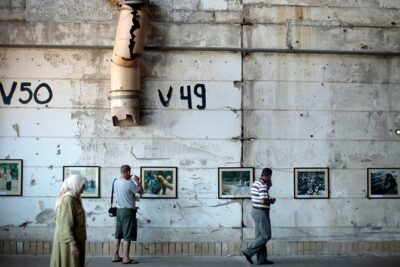
Understanding Srebrenica Genocide – Day tour from Sarajevo
Read our review →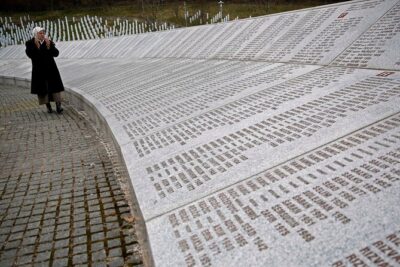
Browse the lists this tour appears in