
Reviewed · FOOD
Eat, Pray, Love Tour
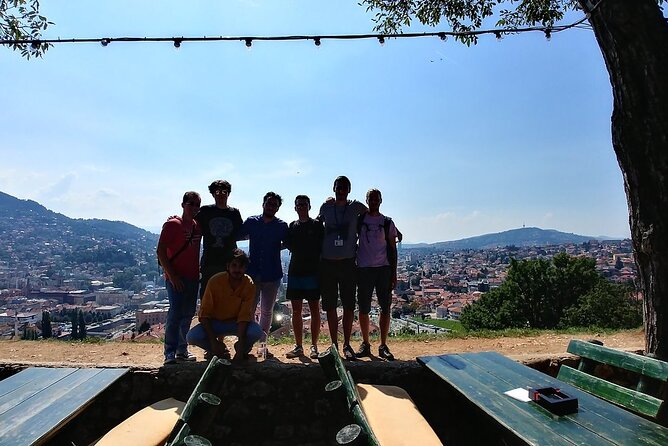
Sarajevo’s story unfolds in a few walkable streets, and this four-hour food and history tour gives you a useful first look at the city’s Ottoman, Catholic, Orthodox, and Jewish past. You move from Latin Bridge and the Emperor’s Mosque to coffee, baklava, copperware, burek, and City Hall.
I like the mix of landmarks and tastings, since the food stops keep this from becoming a parade of dates and architecture. I also like the personal touch from guides such as Elsa, Irfan, Rijad, and Suad, who have been praised for clear explanations, patience, and personal stories. The main caution is that this is a city tour with two food tastings, not a full food walk, and the extra 13 BAM entry package is not included.
Key points to know before booking
- Four hours on foot: The route covers Sarajevo’s central Old Town and nearby landmarks, beginning and ending at Zelenih beretki 30.
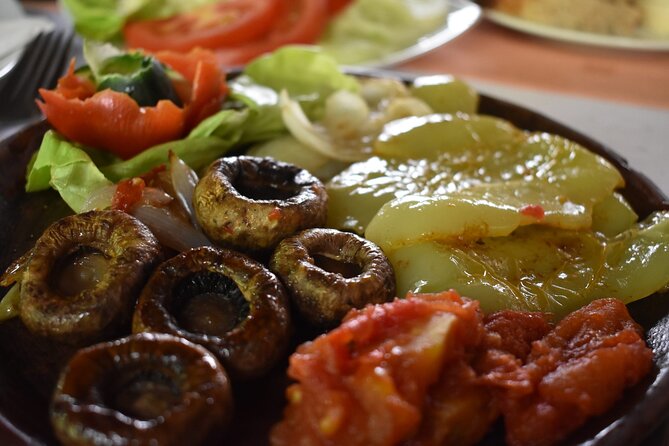
- Two included tastings: You receive Bosnian coffee with baklava and a burek tasting at Bravadžiluk Street.
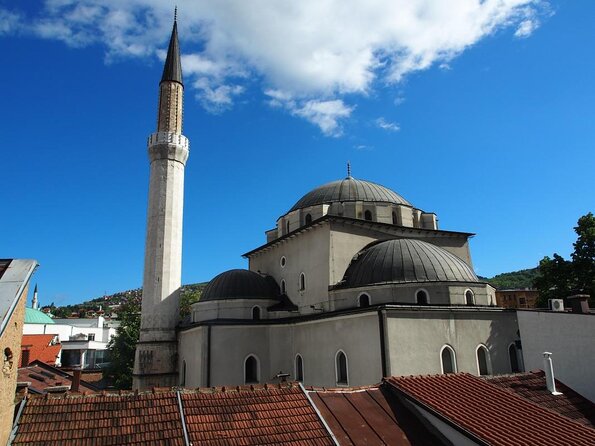
- A strong cultural mix: Mosques, a Catholic church, an Orthodox church, a synagogue, a brewery, Ottoman-era buildings, and City Hall all appear on the route.
- Three paid entries cost extra: The Bey’s Mosque, synagogue, and Old Orthodox Church package costs 13 BAM, about 7 euros, per person.
- Guide quality matters: Elsa, Irfan, Rijad, and Suad are among the guides named in guest feedback, with praise for warmth, patience, and storytelling.
- Good value at $36.97: For a small-group introduction capped at 20 people, the price is fair, especially if you want help finding your way around Sarajevo on your first day.
Why this tour is a useful first look at Sarajevo
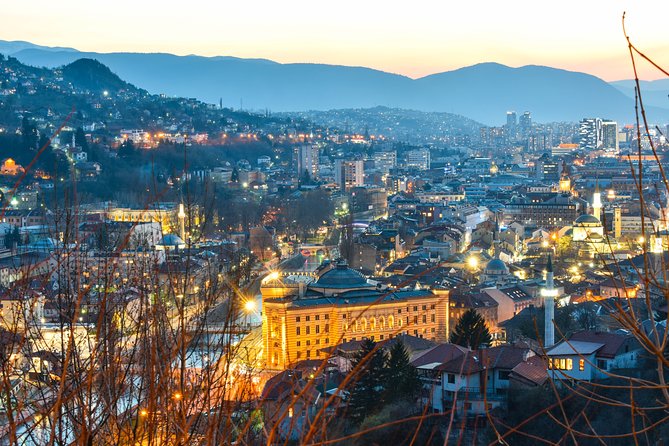
Sarajevo can feel confusing at first because its streets change character quickly. You may pass an Ottoman mosque, a Catholic church, a synagogue, and an Orthodox church within a short walk. This tour makes that contrast easier to understand.
The route also gives you a practical map of the center. You begin near Zelenih beretki 30 at 10:00 a.m., then finish back at the same meeting point after visiting major sights around Baščaršija and the river. That makes it useful early in a Sarajevo stay. You can return later to the places that catch your interest.
The group limit is 20 people. That is not a private tour, but it is small enough for questions if everyone stays together. Some departures may be much smaller. One booking resulted in a private tour because only one person had reserved that morning, though you should not count on that.
Guides have included Suad, Irfan, Elsa, and Rijad. The strongest praise centers on guides who explain the city clearly without drowning you in dates. Elsa is noted for adding personal stories about the region’s recent past, while Irfan is praised for detailed answers and a calm, personable manner. Rijad is remembered for allowing time for photographs, and Suad was singled out for his passion for Sarajevo.
More food tours in Sarajevo:
- Private Walking Tour, Food Tasting and Bosnian Coffee in Sarajevo
★ 5.0 · 255 reviews - Sarajevo: 4-Hour Food And Craft Tour
★ 5.0 · 70 reviews - Delicious Sarajevo: Eat, Walk & Discover City Tour
★ 4.5 · 37 reviews
From Latin Bridge to the Ottoman quarter
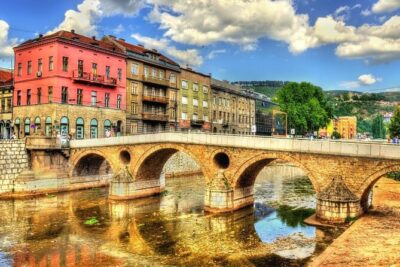
The first landmark is Latin Bridge, where the guide explains the bridge’s name and its place in Sarajevo’s story. You spend only a few minutes here, so think of it as an orientation stop rather than a long visit. It is a good place to begin because the surrounding streets lead naturally toward the older Ottoman center.
Next comes Jedileri, also known as the Tomb of the Seven Brothers. This quiet memorial is tied to local legends and historical meaning. The stop is brief, but it gives the route a more reflective pause before the larger religious and architectural sights.
Saint Anthony Catholic Church follows. Its presence helps show Sarajevo as more than an Ottoman city. The Catholic heritage here sits alongside Islamic, Orthodox, and Jewish landmarks, and the guide’s explanation is important because the buildings make more sense when you see them as part of one compact city.
At Sarajevska Pivara, you hear about the first brewery in the Ottoman Empire. The visit is short, just two minutes, but it adds another layer to the city’s daily life. Sarajevo’s history is not only mosques, battles, and imperial buildings. Brewing, trade, food, and craft all belong in the story.
The Emperor’s Mosque is described as the oldest mosque in Sarajevo. You have only a few minutes here, so the stop focuses on its Ottoman design and spiritual importance rather than a long interior visit. Dress respectfully at religious sites, and wear shoes that are easy to manage if you are asked to remove them.
Gazi Husrev-beg Mosque and the cost of going inside
The longest early stop is Gazi Husrev-beg Mosque, with about 30 minutes set aside. This is one of the route’s main architectural and cultural highlights. The mosque is a major part of Sarajevo’s Islamic heritage, and the extra time allows the guide to explain its role rather than simply point out its façade.
The adjacent Gazi Husrev Begova Medresa adds a look at Islamic education and scholarship. Again, the stop is short, but it helps connect the mosque to the institutions around it. The route is strongest when the guide explains how buildings worked together, not just when each building is treated as an isolated sight.
Three admissions are not part of the tour price. The entry package for Bey’s Mosque, the synagogue, and the Old Orthodox Church costs 13 BAM, listed as about 7 euros, per person. This is a small extra by European sightseeing standards, but you should budget for it. The itinerary also marks the mosque and medresa entries as not included, so confirm with the guide which access the package covers on your departure.
At $36.97, the tour remains reasonably priced even with the added admission. You are paying for four hours with a certified English-speaking guide, a city map, two tastings, and a route that covers far more than a quick walk through Baščaršija. If you want every interior included in the headline price, this arrangement may feel less tidy.
Sarajevo’s Meeting of Cultures and Jewish heritage
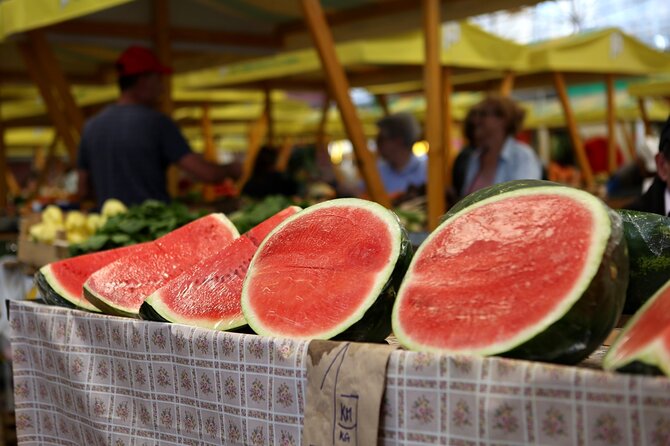
The Sarajevo Meeting of Culture is a quick but worthwhile photo stop. It marks the point where the city’s eastern and western architectural influences meet. The stop lasts about two minutes, yet the idea behind it helps explain why Sarajevo feels so compressed and varied.
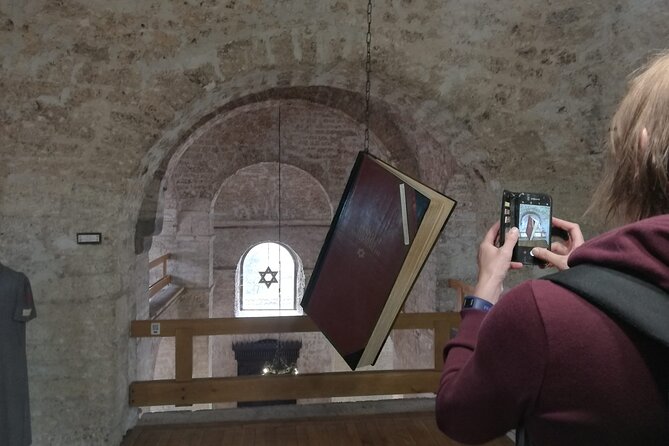
The Jewish Museum of Bosnia and Herzegovina receives about 20 minutes. It occupies one of the oldest synagogues in the Balkans and introduces Sarajevo’s Jewish heritage. This is one of the paid entries, so decide in advance if you want to go inside or simply hear the guide’s explanation from outside.
I value this portion of the route because it keeps the city from being presented as only Ottoman or only Muslim. The Catholic church, Orthodox church, synagogue, and mosques are not side notes. Together, they show the city’s long connection to several faiths and traditions.
You should also keep your expectations realistic. Four hours is enough for context and a first look, not for detailed museum visits. If the Jewish Museum or another religious site captures your attention, plan to return independently.
A few more Sarajevo days to weigh up
- Sarajevo: Mostar, Konjic, Blagaj Tekke, Pocitelj & Waterfall
★ 4.9 · 1,335 reviews - Fall of Yugoslavia, Sarajevo War Tour with Tunnel of Hope Museum and Frontlines
★ 5.0 · 1,314 reviews - Sarajevo: Mostar, Konjic, Sufi House, Pocitelj & Kravice Falls
★ 5.0 · 1,179 reviews - ROSES OF SARAJEVO (Official WAR + CITY tour)- Story of a Survivor
★ 5.0 · 770 reviews
Bosnian coffee, baklava, and the Baščaršija pause
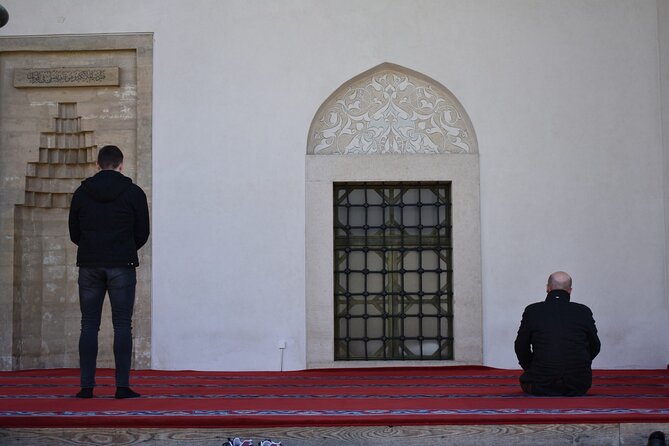
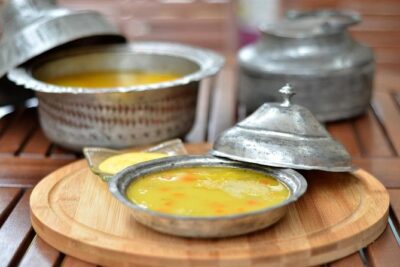
In Baščaršija, the tour pauses for Bosnian coffee and baklava. This is a 30-minute tasting, and the coffee is served as a cultural experience rather than a rushed drink between sights. You get time to notice how Bosnian coffee differs from the coffee routine you may know at home.
Baklava adds a sweet counterpoint. Together, the coffee and pastry give you a simple introduction to local hospitality and flavor. This is one of the tour’s most enjoyable features if you want food linked to place and custom.
Still, this is not a full culinary tour. You receive one coffee and baklava stop, then one burek tasting later. One guest expected more food and found the tour too limited for a food-focused outing. I agree with that distinction: book this for history and orientation with food included, not as a half-day meal crawl.
The Old Orthodox Church comes next, with about 10 minutes set aside. It is described as an important example of Byzantine art and Sarajevo’s Christian roots. Entry is not included in the base price, so the 13 BAM package matters here too.
Sebilj, Morića Han, and Sarajevo’s working crafts
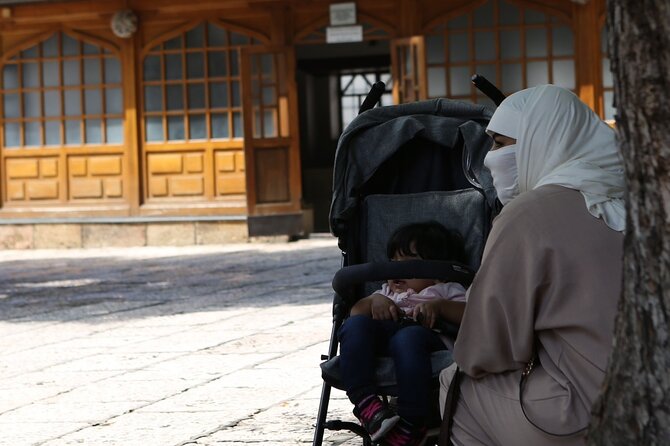
Sebilj Brunnen, the wooden fountain in Baščaršija, takes only a couple of minutes. It is the classic photo stop, and you will likely see why it has become a symbol of the quarter. The guide gives you a quick point of reference before moving into the older commercial streets.
Morića Han is an Ottoman-era caravanserai that once sheltered merchants and travelers. The visit is short, but the building helps you picture Sarajevo as a trading center. Inns such as this were practical places where people, goods, and news passed through.
At Kazandžiluk, the tour turns to traditional metalworking. You learn about copper crafts that still exist in Sarajevo, and you can look at the work more closely than you would during a normal sightseeing walk. This is a good place to browse without pressure. If you want a souvenir with a direct connection to local craft, copperware makes more sense than a generic trinket.
The route gives about 20 minutes to this craft area. That is enough for an introduction, though not a workshop or a shopping session. If you want to buy something, use the time wisely and ask the guide about the craft rather than rushing from shop to shop.
Burek on Bravadžiluk Street
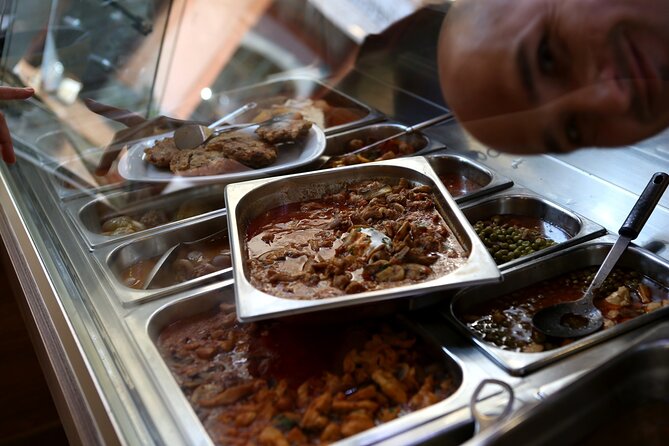
The second food stop is a burek tasting on Bravadžiluk Street. Burek is a key Bosnian comfort food, and tasting it in the old quarter gives the dish a clear local setting. This is another 30-minute stop, so you have more than a quick bite.
The food quality may not satisfy every palate or expectation. One critical assessment found the portion poor and cheap, while other feedback praised the chance to taste local food and called the tour delicious. That split is useful. The tasting is included, but it is not a promise of a large meal or a carefully planned restaurant experience.
I would treat the burek as an introduction, then use your new bearings to return for more food later. The tour gives you the name of a dish and a place to begin. It does not replace exploring Sarajevo’s restaurants and bakeries on your own.
City Hall and the Spite House
Sarajevo City Hall is one of the route’s visual high points. Its neo-Moorish design reflects the city’s layered architectural identity, and the guide explains its cultural and historical importance. The stop lasts about 15 minutes, with entry not included.
Across the river, Inat kuća, or the Spite House, supplies one of Sarajevo’s most memorable stories. The house was moved across the river in defiance of authority. It is a small, human tale of stubbornness and resilience, and it gives the final section of the tour a touch of humor after the heavier historical material.
The tour then returns to the meeting point. Because the route includes many short stops, the rhythm is quick. You get a broad view of Sarajevo rather than long time inside each site. That is a strength for a first visit and a limitation for repeat visitors who already know the center.
Price, walking demands, and who will enjoy it
At $36.97 per person, I consider this good value for a four-hour guided introduction. The certified guide, city map, coffee and baklava, and burek are included. The main extra is the 13 BAM admission package, plus any personal purchases in the craft quarter.
The tour suits you best if you want:
- A clear introduction to Sarajevo’s central sights
- A guide who can explain the city’s religious and cultural mix
- A manageable food sample rather than a dedicated food crawl
- A route that helps you explore independently afterward
- A group setting with a maximum of 20 people
You may want another tour if you dislike walking, prefer long museum visits, or want several full meals. Comfortable clothes, walking shoes, sunglasses, and a camera are recommended. Most people can participate, and the start is near public transportation, but the itinerary involves many stops on foot.
Free cancellation is available if you cancel at least 24 hours before the 10:00 a.m. start. Changes or cancellations inside that window are not refundable, and the operator requires a minimum number of participants to run the tour.
Should you book the Eat, Pray, Love Tour?
I would book it for a first morning or first full day in Sarajevo. The route gives you the city’s main visual markers, two local tastings, a craft street, and enough context to make later exploring easier.
Book with the right expectation: this is a history and orientation tour with food, not a dedicated food tour. The strongest reason to choose it is the guide. Elsa, Irfan, Rijad, and Suad have each been praised for different strengths, including personal stories, detailed answers, patience, and warmth.
If you want Sarajevo explained by someone who can connect mosques, churches, synagogues, coffee, copper, burek, and City Hall in one walk, the price is fair. Add the entry fee, wear good shoes, and leave room in your schedule to revisit the places you like best.
FAQ
How long does the Eat, Pray, Love Tour last?
The tour lasts approximately four hours. It starts at 10:00 a.m. and ends back at the meeting point.
Where does the tour begin?
The meeting point is Insider City Tours and Excursions at Zelenih beretki 30, Sarajevo 71000, Bosnia and Herzegovina.
What food and drinks are included?
The tour includes a Bosnian coffee tasting with baklava in Baščaršija and a burek tasting on Bravadžiluk Street.
Are attraction entry fees included?
The main tour price does not include the entry package for Bey’s Mosque, the synagogue, and the Old Orthodox Church. That package costs 13 BAM, listed as about 7 euros, per person.
Is the tour offered in English?
Yes. The tour is offered in English and includes a certified guide.
What is the cancellation policy?
You can cancel at least 24 hours before the experience start time for a full refund. Cancellations or changes made less than 24 hours before the start are not refunded or accepted.
Just added around Sarajevo
- Private Full Day Safari Tour★ 5.0 · 8 reviews
- Walking Tour in Sarajevo★ 5.0 · 3 reviews
- Sarajevo Under Siege: A War History Tour★ 5.0 · 10 reviews
- Travnik, Jajce, Pliva Lakes & Mills –Medieval & Ottoman Bosnia Full Day Tour★ 5.0 · 3 reviews
- Mysterious Visoko Pyramids Driving and Walking Tour★ 5.0 · 7 reviews
- Secret Tito’s Bunker/Konjic Tour★ 5.0 · 4 reviews
- The last day of Franz Ferdinand Walking Tour★ 5.0 · 10 reviews
- Sarajevo to/from Zagreb Transfer Day Tour (North-central Bosnia)★ 5.0 · 4 reviews
Food, compared.
Private Walking Tour, Food Tasting and Bosnian Coffee in Sarajevo
Read our review →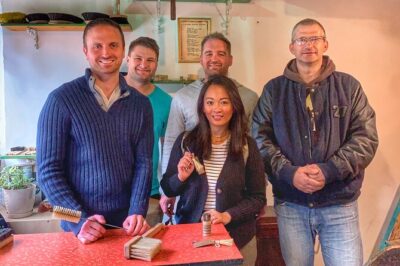
Delicious Sarajevo: Eat, Walk & Discover City Tour
Read our review →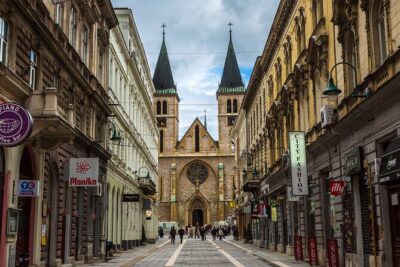
Sarajevo Uncovered: Old Town Tour with Coffee and Food Tasting
Read our review →
LUKOMIR VILLAGE HIKE & TREK TOUR (nature, hike, food & panorama)
Read our review →Browse the lists this tour appears in