
Reviewed · SREBRENICA GENOCIDE TOURS
Sarajevo to Srebrenica: Genocide Study Tour with War Veteran
Srebrenica is not an easy day out. It is a serious visit to the site of Europe’s worst atrocity since World War II, and the long drive from Sarajevo gives you time to understand how the war began before you reach the memorial. The most powerful part is the combination of the former UN battery factory and the cemetery at Potočari, where thousands of identified victims are buried.
I like two things in particular. First, the guide does not treat Srebrenica as an isolated event. You get a clear account of Yugoslavia’s breakup and the Bosnian war on the road there. Second, guides such as Adis, Adnan, Ömer, and Kenan bring personal experience and room for difficult questions. The main drawback is simple: this is an emotionally heavy, 10-hour day, not a light sightseeing trip.
Key points to know before booking
- A full-day memorial visit: Expect roughly 10 hours from Sarajevo and about two and a half hours each way by road.
- Small-group setting: The vehicle holds no more than 12 people, with some departures operating in groups of about seven.
- Personal guide stories: Guides including Adis, Adnan, Ömer, Kenan, Edin, Ibrahim, and Danijela have been praised for clear explanations and firsthand wartime context.
- Former UN headquarters: The battery factory at Potočari now houses the Srebrenica Genocide Museum.
- Food and transport included: You receive water, a Bosnian sausage sandwich, air-conditioned transport, and pickup and return service in Sarajevo.
- Prepare before you go: Basic reading about Yugoslavia and the 1990s war will help you follow the many names, dates, and political events.
Why the journey from Sarajevo matters
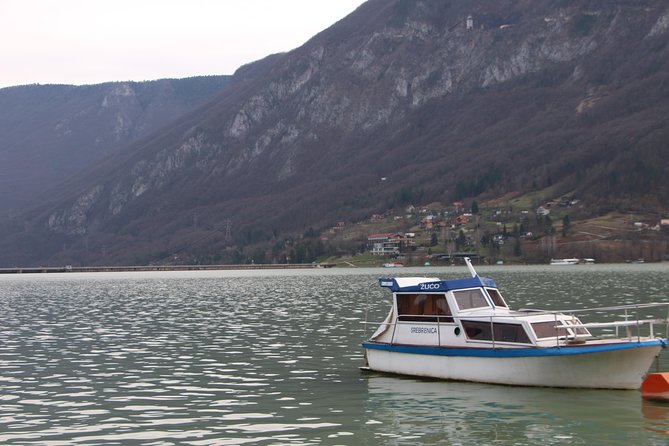
The road to Srebrenica takes around two and a half hours. That may sound like a lot of time in a minivan, but it is an important part of the experience. You travel through the mountains of eastern Bosnia, and the guide begins explaining the breakup of Yugoslavia before the group reaches the memorial sites.
This approach works better than arriving cold at a museum. Srebrenica cannot be understood through one tragic week alone. You need some background on Yugoslavia, the political tensions of the 1990s, the war in Bosnia and Herzegovina, and the role of the international community.
The guides have different styles and backgrounds. Adis is described as friendly, open, and willing to spend extra time on questions. Adnan has shared his own wartime experience and wider views on modern Bosnia. Ömer has been praised for explaining the subject in clear English while also talking about his childhood experience of the war in Sarajevo.
You should still expect a lot of information. Names, places, military groups, political decisions, and dates arrive quickly. A little preparation before the tour is a smart move. Even a short introduction to the breakup of Yugoslavia will make the day easier to follow.
The drive itself is comfortable, thanks to an air-conditioned car or minivan. Bottled water and a sandwich with traditional Bosnian sausage are provided at the start. Vegetarian food can be requested. This is a useful breakfast on an early departure, though you should not assume that all food and drinks for the full day are included.
More Srebrenica memorial days:
- From Sarajevo: Srebrenica Genocide Memorial Study Tour
★ 5.0 · 359 reviews - Understanding Srebrenica Genocide Tour + Lunch with Local Family Included
★ 5.0 · 123 reviews - Understanding Srebrenica Genocide – Day tour from Sarajevo
★ 5.0 · 35 reviews
Meeting the guide at 8 a.m. in Sarajevo
The usual meeting point is near the Info Bosnia Tourist Information Center on Ferhadija, Sarajevo’s main pedestrian street, close to the Sarajevo Meeting of Cultures marker. The listed start time is 8 a.m., and pickup can be arranged from hotels or other locations in Sarajevo.
If you are staying outside the Old Town, hotel pickup and drop-off are available. For a private home, the operator asks for a Google Maps location. That is a small but useful detail, especially in Sarajevo, where addresses and entrances are not always obvious to a driver unfamiliar with your accommodation.
The tour begins with a short introduction, bottled water, and the sandwich. Then the guide sets the tone for the day. This is not presented as a casual excursion with a few historical facts added along the way. It is a study tour, and the conversation starts before you reach Srebrenica.
The group limit is 12 people. That keeps the vehicle fairly intimate and makes it easier to ask questions than on a large coach. Some people have described groups of around seven, though the official maximum is 12. Group size can affect the feel of the day, so keep that in mind when comparing options.
Potočari and the former UN battery factory
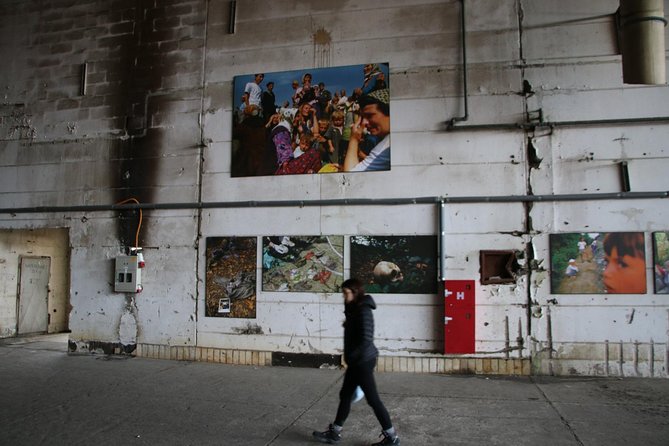
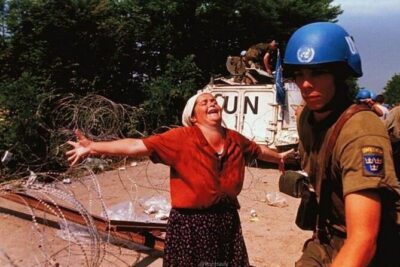
The first major stop is Potočari, just outside Srebrenica. During the war, the battery factory was used by United Nations forces. The former Dutch battalion headquarters now houses the Srebrenica Genocide Museum.
The setting matters. You are not simply looking at objects in a purpose-built museum. You are entering a place connected directly to the events being explained. The building’s former use gives the visit a hard edge, particularly as the guide explains the role and failure of the international presence.
The museum uses multimedia displays and films to lay out the events that led to the genocide. It also includes personal accounts of people who survived the Srebrenica enclave. This mixture of military and political context with individual stories keeps the visit from becoming a dry timeline.
You receive time to look through the material rather than being rushed from display to display. One guide, Adis, was praised for allowing extra time in the museum even when the visit ran late. That is the right approach here. The museum is not something to skim in ten minutes while watching the clock.
The subject is distressing, and the museum may be difficult for some people. That is not a flaw, but you should be honest with yourself before booking. This tour asks you to pay attention to testimony, loss, and the consequences of political violence.
The memorial room and the cemetery at Potočari
From the museum, the visit continues to the memorial room. A local journalist’s accounts tell the stories of victims, while part of the room addresses the people responsible for the massacre. That wider focus is important. The memorial is not only about mourning. It also asks how the crime happened and who carried responsibility.
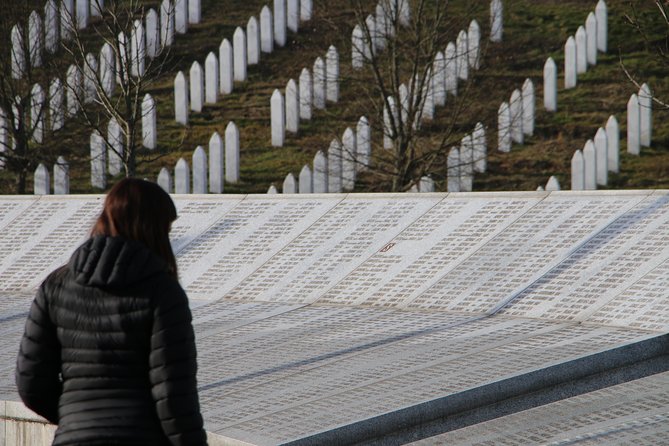
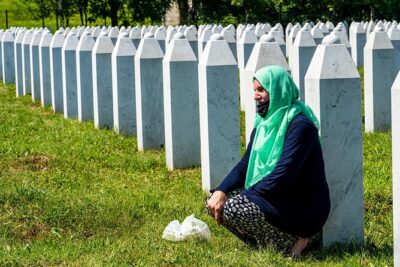
The cemetery is the quietest and most visual part of the visit. Identified victims are buried in long rows of white headstones, and the number recorded at the time of the tour was 6,575, with additional victims still identified over the years.
The scale is difficult to absorb from photographs. Walking among the graves gives the numbers a human presence, but it can also leave you without much to say. You may want time alone here. The guides are praised for handling the site with respect, and the tour allows you to take in the cemetery at your own pace.
One account described a prayer at the cemetery as a lasting part of the day. You do not need to share a particular faith to understand the importance of the moment. The site is designed for remembrance, and respectful quiet is the appropriate response.
The combination of museum, memorial room, and cemetery is one of the tour’s strongest features. Each place does a different job. The museum explains, the memorial room personalizes, and the cemetery gives the dead a physical place of remembrance.
More tours about the siege and the war:
- Fall of Yugoslavia, Sarajevo War Tour with Tunnel of Hope Museum and Frontlines
★ 5.0 · 1,314 reviews - ROSES OF SARAJEVO (Official WAR + CITY tour)- Story of a Survivor
★ 5.0 · 770 reviews - Tunnel Museum: Bosnian & Yugoslav Wars Tour with War Veteran
★ 5.0 · 551 reviews - Sarajevo War Tour: A Veteran’s Story of the Siege (fees included)
★ 5.0 · 326 reviews
Lunch and the modern town of Srebrenica
After Potočari, the route continues into Srebrenica itself. Once an industrial center, the town is now described as largely empty, with many signs of a place that never recovered its former life.
This stop helps you see that the genocide is not only a subject preserved inside a memorial complex. Srebrenica is also a living town shaped by war, displacement, return, and economic decline. The quiet streets can be unsettling after the information-heavy museum visit.
Srebrenica is also where the itinerary allows time for lunch. The supplied tour details specifically include the Bosnian sausage sandwich at the start, not a full lunch as part of the standard inclusions, and food and drinks are otherwise not included unless specified. Plan accordingly and confirm the current lunch arrangement when booking.
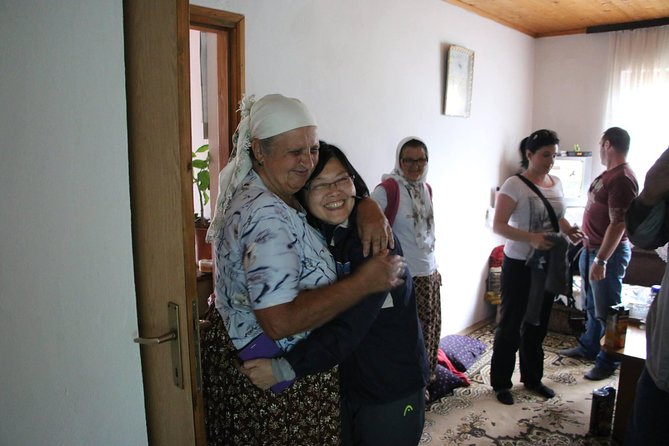
Some versions of the day have included a homemade Bosnian meal with a local family, followed by a personal account from a woman who returned to Srebrenica after the war. That kind of meeting can add a human layer that a museum cannot provide, but you should confirm if it is part of your departure rather than assume it is guaranteed.
The town visit is not a sightseeing highlight in the usual sense. You are not going there for grand buildings or shopping. You go to see the place beyond the cemetery and to understand how the past still shapes daily life.
What makes the guides so important
The quality of this experience depends heavily on the person in the front seat. A guide who simply recites dates will leave you with a pile of facts and little sense of how they fit together. The strongest guides on this tour connect the political story with personal experience.
Adis has been praised for his warmth, clear storytelling, and willingness to answer difficult questions. Adnan has been described as an activist who can discuss Srebrenica, Yugoslavia, hate speech, and current politics. Ömer has been noted for speaking clear English and explaining events with both care and emotion.
Other named guides include Kenan, Edin, Ibrahim, Danijela, and Yasimov. The guide assigned to you will depend on the departure. Do not book expecting one particular person unless the operator confirms that guide in writing.
Personal experience can make the explanation more immediate, but it can also make the day feel more intense. The best approach is to listen carefully and ask questions respectfully. This is a painful subject for Bosnia and Herzegovina, and the guides are not presenting an abstract classroom lesson.
The tone described across the experience is open to questions, including uncomfortable ones. That matters because many people arrive with only a rough idea of what happened. You may have questions about the UN, the military situation, Serbian and Bosniak politics, international failures, or the present-day situation. A good guide can help separate fact from simplified news coverage.
Comfort, timing, and the cost of $82.84
At about $82.84 per person, this is not the cheapest way to reach Srebrenica, but the price is reasonable for a full day with transport from Sarajevo, a guide, museum and memorial visits, bottled water, and a provided sandwich. You avoid arranging a long-distance car, finding the memorial sites, and trying to understand the story without local help.
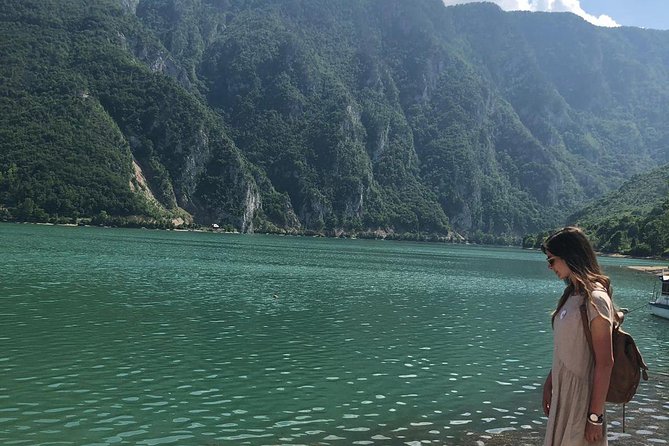
The air-conditioned vehicle matters because the day involves several hours on the road. You should still expect a long outing, and the winding mountain roads may feel tiring. The scenery is attractive, but this is not a scenic drive with a short historical stop. The road time is used for serious explanation.
The tour is usually booked about 16 days ahead, so it is wise to reserve before arriving in Sarajevo, especially if your schedule is tight. Confirmation is provided at booking. Free cancellation is available if you cancel at least 24 hours before the start time. A minimum number of participants is required, and if the operator cancels for that reason, you are offered another date or a full refund.
The overall rating is five out of five from 131 ratings, with full recommendation reported by all participants at the time of the supplied information. The praise centers on the guides, careful storytelling, comfortable driving, and the museum. Those are the elements that explain the price more than the sandwich or the vehicle alone.
Who should book this Srebrenica day tour?
I would choose this tour if you want context, not just a transfer to the cemetery. It suits solo visitors particularly well because the group is small, pickup is available, and the guide provides structure throughout the day.
It is also a good fit if you are interested in modern European history, peacekeeping, war crimes, or the political problems still affecting Bosnia and Herzegovina. The tour gives you a serious introduction in one day, though it cannot answer every question about Yugoslavia or current Balkan politics.
You should think twice if you want a relaxed excursion or if you find war museums and personal testimony too upsetting. The day is emotionally demanding, and the subject does not end when you leave the cemetery. The return drive gives you time to process what you have seen, but it can also feel long after an exhausting visit.
Families and young people may be able to participate, since most visitors can take part and service animals are allowed, but the content is serious. Adults should decide for themselves whether younger members of their group are ready for graphic historical material and discussion of genocide.
My verdict on the Sarajevo to Srebrenica tour
Book this tour if you want to understand Srebrenica within the wider story of Bosnia’s war. The museum, memorial room, cemetery, and town visit create a fuller day than a quick photo stop, while the small group and guide-led drive make the history easier to follow.
The strongest reason to go is the human guidance. Adis, Adnan, Ömer, Kenan, and the other guides are presented as careful storytellers who can connect public events to lived experience. The main caution is the emotional weight. This is a day for listening, reflection, and respect.
Do some reading before you leave Sarajevo, bring patience for a long road day, and keep your afternoon and evening free. If you are ready for that, the $82.84 fee buys more than transport. It gives you a structured way to face one of Europe’s darkest modern chapters without reducing it to a few dates and photographs.
FAQ
How long is the Sarajevo to Srebrenica tour?
The experience lasts approximately 10 hours, beginning at about 8 a.m. and returning to Sarajevo at the end of the day.
Where does the tour start?
The usual meeting point is Velika avlija, near the Info Bosnia Tourist Information Center on Ferhadija in Sarajevo. The tour may also be arranged from another Sarajevo location.
Is hotel pickup available?
Yes. Pickup and drop-off are available from locations throughout Sarajevo. If you stay in a private home rather than a hotel, you need to provide a Google Maps location.
What is included in the price?
The price includes a driver and tourist guide, air-conditioned car or minivan transport, bottled water, a traditional Bosnian sausage sandwich, and hotel pickup and drop-off when required.
Is vegetarian food available?
Yes. A vegetarian alternative to the traditional Bosnian sausage sandwich can be requested.
How large is the group?
The maximum group size is 12 people. Some departures may operate with fewer participants.
Is the tour offered in English?
Yes. The tour is offered in English.
Can I cancel for a full refund?
You can cancel for a full refund if you do so at least 24 hours before the scheduled start time. Cancellations or changes made less than 24 hours before departure are not accepted for a refund.
Just added around Sarajevo
- Private Full Day Safari Tour★ 5.0 · 8 reviews
- Walking Tour in Sarajevo★ 5.0 · 3 reviews
- Sarajevo Under Siege: A War History Tour★ 5.0 · 10 reviews
- Mysterious Visoko Pyramids Driving and Walking Tour★ 5.0 · 7 reviews
- Secret Tito’s Bunker/Konjic Tour★ 5.0 · 4 reviews
- Travnik, Jajce, Pliva Lakes & Mills –Medieval & Ottoman Bosnia Full Day Tour★ 5.0 · 3 reviews
- The last day of Franz Ferdinand Walking Tour★ 5.0 · 10 reviews
- Sarajevo to/from Zagreb Transfer Day Tour (North-central Bosnia)★ 5.0 · 4 reviews
Srebrenica Genocide Tours, compared.
Understanding Srebrenica Genocide Tour + Lunch with Local Family Included
Read our review →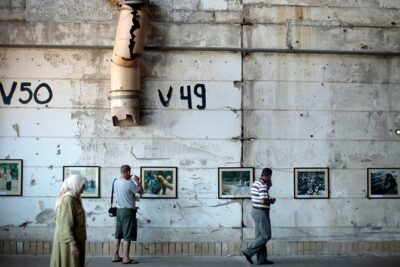
Understanding Srebrenica Genocide – Day tour from Sarajevo
Read our review →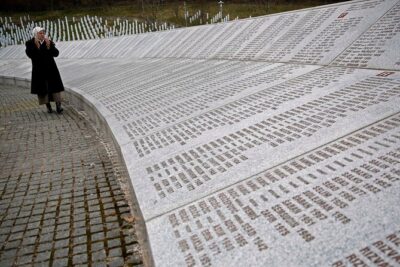
Browse the lists this tour appears in