
Reviewed · WAR & SIEGE TOURS
The Siege of Sarajevo Tour
Sarajevo’s Siege is easiest to grasp when you see the places where daily life and war collided. This four-hour private tour links the burned City Hall, Markale market, the former sniper-lined boulevard, the Tunnel of Hope, and hillside positions into one clear story.
I like the private format, since your group can ask questions without keeping pace with a busload of people. I also like the mix of city streets, an underground passage, Olympic sites, cemeteries, and mountain viewpoints. The main consideration is emotional weight. This is not a light sightseeing outing, and the Tunnel of Hope ticket costs extra.
I especially value the personal side of the guiding. Danijela handled one booking’s hotel pickup and was praised for making the four-hour tour pass quickly. Ask for hotel pickup when you book, and allow a little extra time at the Tunnel museum if the subject calls for it.
Key points to know before booking
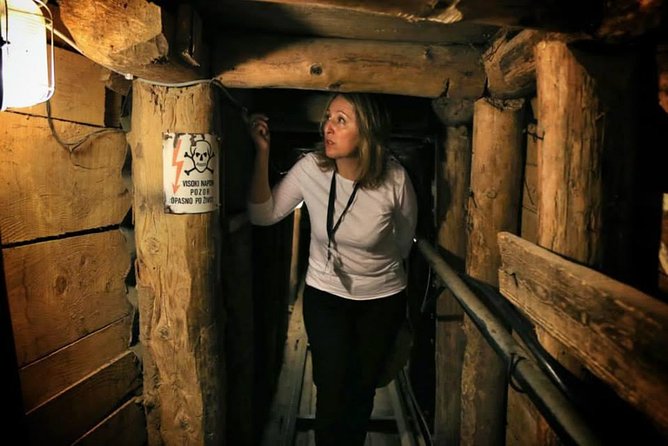
- The Tunnel of Hope is the tour’s central stop: You watch a short siege film, walk through part of the tunnel, and see the house that hid its entrance.
- The route connects Sarajevo’s landmarks to the conflict: City Hall, Markale market, the main boulevard, the Presidency, and wartime fortifications each add context.
- Trebević adds an unusual Olympic and military chapter: You walk along the abandoned bobsleigh track and look back over Sarajevo from the mountain.
- The private vehicle keeps the route practical: Hotel pickup, an air-conditioned vehicle, bottled water, and a licensed guide/driver are included.
- The price is $34.91 per person: That is a strong value for a private four-hour outing, but you must add the War Tunnel museum admission.
- The final stops are scenic but serious: The Jewish Cemetery and Yellow Fortress explain how high ground and burial places became part of the siege.
Sarajevo City Hall, where the story begins
The tour starts at Sarajevo City Hall, also known as Vijećnica, on Brodac. This grand building was first shelled and then burned during the Siege of Sarajevo. Seeing the rebuilt structure at the start gives you an immediate reminder that the war damaged more than military targets.
I like this opening because it brings the subject into the city center rather than treating the siege as something far away. You can begin with architecture, streets, and ordinary urban life, then understand how those same places became targets.
The tour ends back at the meeting point, so the route has a tidy beginning and finish. Hotel pickup is offered, and the tour includes an air-conditioned vehicle, bottled water, and a licensed guide/driver. The supplied details identify Danijela as one guide who provides this service, though your assigned guide may differ.
More tours about the siege and the war:
- Fall of Yugoslavia, Sarajevo War Tour with Tunnel of Hope Museum and Frontlines
★ 5.0 · 1,314 reviews - ROSES OF SARAJEVO (Official WAR + CITY tour)- Story of a Survivor
★ 5.0 · 770 reviews - Tunnel Museum: Bosnian & Yugoslav Wars Tour with War Veteran
★ 5.0 · 551 reviews
Markale, the Presidency, and the road people feared
Next, the route passes Sarajevo’s Markale green market. It is an everyday place, which is exactly why it matters in this tour. The story of the siege is not only about front lines and military positions. Markets, roads, offices, and public buildings also became part of the danger faced by civilians.
You also see a monument built after the Second World War and the Presidency building. These stops help place the Bosnian War within Sarajevo’s longer political and civic story. They are brief points along the route rather than full museum visits, so I would listen closely and ask questions while you have the guide beside you.
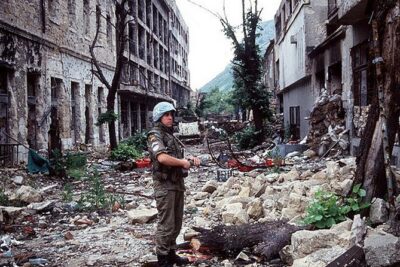
The main boulevard is another important section. During the siege, sniper positions lined the surrounding heights, making the road dangerous for civilians to cross. From a car, the boulevard can look like a normal city street. The value of the guide is explaining what the street meant at the time, and how geography turned a familiar route into a threat.
This part of the tour is a good reason to choose a private outing. You can pause the story, ask how the road fit into the wider siege, and connect the buildings you see with the later hilltop viewpoints.
Asim Ferhatovic Hase Stadium and Sarajevo’s Olympic identity
The Asim Ferhatovic Hase Stadium is used as a short stop, with about 10 minutes allowed. It is an Olympic stadium, and its inclusion gives the day another layer. Sarajevo was known internationally for hosting the Winter Olympic Games before the war changed its image around the world.
Do not expect a long stadium visit or a paid attraction here. Admission is free, and the stop works mainly as a visual reminder of the city before and during the conflict. If you are interested in Sarajevo’s Olympic past, this is a useful connection. If your main goal is detailed wartime interpretation, the Tunnel and hillside stops deserve more of your attention.
The Tunnel of Hope, the tour’s most important visit
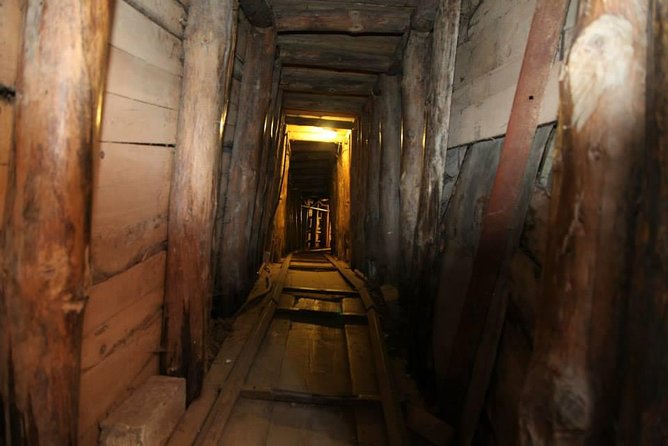
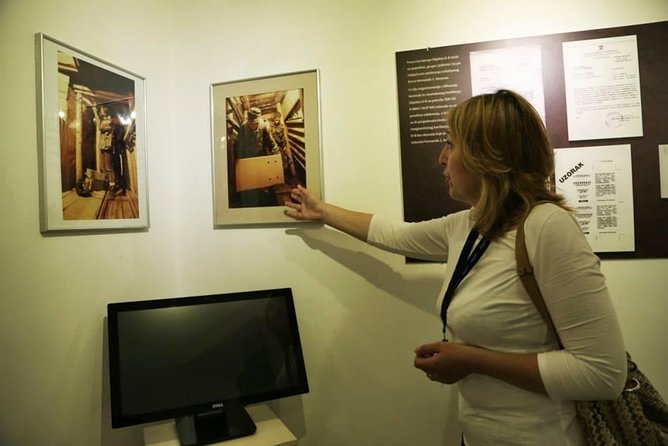
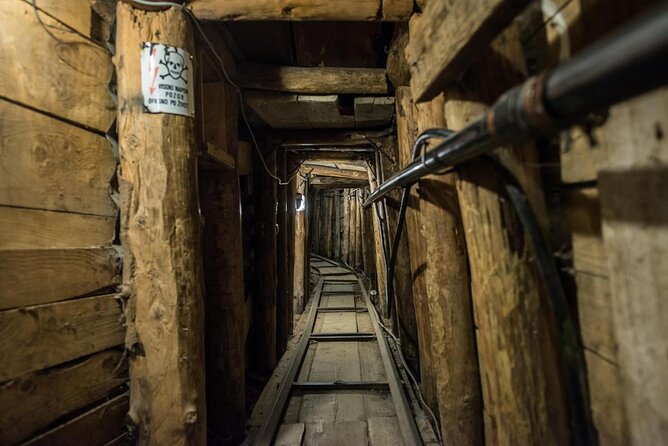
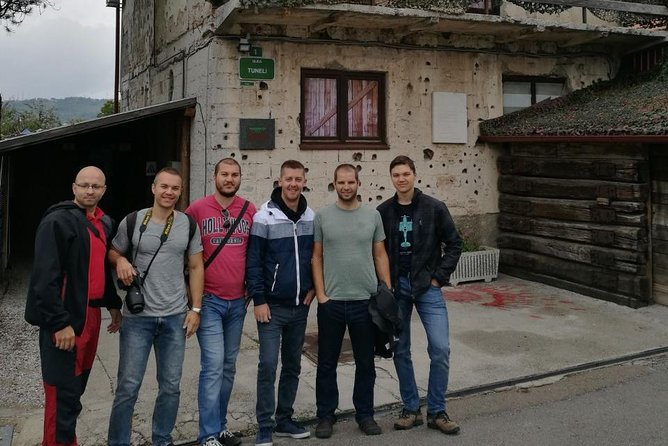
The Sarajevo War Tunnel is the heart of the experience. You watch a short video about the Siege of Sarajevo, then take a brief walk through the remaining section of the tunnel. A guide shows you the grounds and the house, now a museum, where the tunnel was concealed.
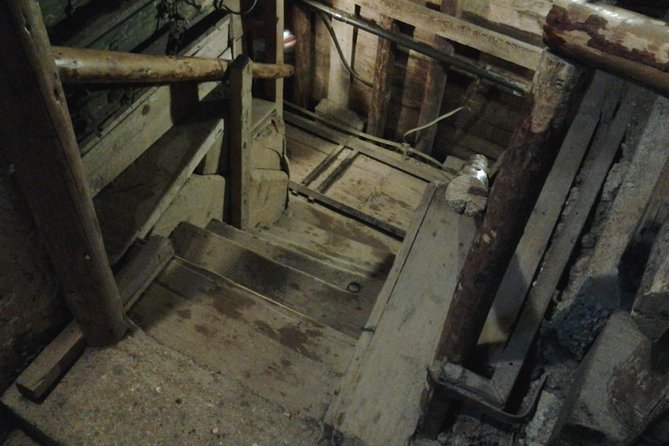
The tunnel allowed food, supplies, and aid to move into the besieged city. Its narrow passage makes the practical side of the siege easier to understand. You are not simply hearing that supplies entered through a tunnel. You can see the confined space and the modest house connected with this operation.
About one hour is set aside here. The museum ticket is not included, so budget for that separate cost. The tour price is $34.91 per person, but the final amount for the day will be higher once you add admission. The supplied information does not give the ticket price, so check the current amount before booking.
I would not rush this stop. The short film provides basic context, while the guide can explain what you are seeing on the grounds. The subject is difficult, and the personal stories are a key reason to take this with a guide rather than visit the tunnel without background.
A private tour also gives you some control over the pace, within the four-hour schedule. If you need a quiet moment after the film or want to ask about a detail, you do not have to compete with a large group.
A few more Sarajevo days to weigh up
- Sarajevo: Mostar, Konjic, Blagaj Tekke, Pocitelj & Waterfall
★ 4.9 · 1,335 reviews - Sarajevo: Mostar, Konjic, Sufi House, Pocitelj & Kravice Falls
★ 5.0 · 1,179 reviews - Sarajevo: Mostar, Konjic, Počitelj, Sufi House, & Waterfalls
★ 4.9 · 572 reviews - Sarajevo: 2 Hours Old Town Walking Tour With Local Guide
★ 5.0 · 505 reviews
Trebević and the abandoned Olympic bobsleigh track
After the Tunnel of Hope, the vehicle climbs toward Trebević, the Olympic mountain above Sarajevo. The route includes the bobsleigh and luge track, with about 30 minutes for the visit. You can walk along part of the abandoned track and see a place that once represented international sport and later became part of the first line during the siege.
This is one of the tour’s most unusual contrasts. The curved concrete track was built for the Winter Olympics, yet the mountain also had military importance during the war. The broken and abandoned setting gives you a strong visual change from the city streets below.
Trebević also provides a panoramic view of Sarajevo. That view is not just a photo stop. It helps you understand the city’s position among the surrounding hills and why high ground mattered so much during the siege. From above, the city’s shape is easier to read. The same geography that makes Sarajevo attractive also affected how it could be surrounded and watched.
The visit is free, according to the tour details. Wear shoes suitable for a short walk, since the stop involves walking on or near the old track. The information does not promise a long mountain visit, so treat this as a focused stop rather than a full Trebević excursion.
The Jewish Cemetery and a front line among the tombstones
The Jewish Cemetery of Sarajevo receives about 20 minutes. During the conflict, its position above the city made it part of the front line. Bosnian Serb Army snipers used the cemetery’s strategic location to fire toward civilians, and the tombstones and cemetery structures were damaged by shelling and shooting.
This stop needs a slower pace than a standard sightseeing visit. The cemetery is both a place of memory and a physical record of the fighting. Its distinctive tombstones were damaged, and the site shows how the siege affected spaces that should have been removed from combat.
The tour information notes that the cemetery has beautiful tombstones with a style unusual in Sarajevo and elsewhere in Europe. That makes the visit worthwhile even before the wartime explanation, but the military setting is what gives it particular force here.
Admission is free. Your guide’s explanation matters because the damage alone cannot tell you why this site was so important. From the cemetery, you can begin to connect the city below with the positions on the surrounding slopes.
Yellow Fortress and the view toward Kovači Cemetery
The final major stop is the Yellow Fortress, one of the old fortifications that formed part of the defensive wall around Sarajevo. You have about 20 minutes here, and the site offers one of the city’s best viewpoints.
The view takes in Kovači Cemetery, where Sarajevo’s defenders from the Siege of Sarajevo are buried. The cemetery also contains the grave of the first president of independent Bosnia and Herzegovina. That makes the view more than a scenic finish. It brings together the city’s historic defenses, wartime dead, and modern national story.
I like ending here because the tour closes with a wide view after several confined and difficult places. You have seen the tunnel, the sniper routes, and the cemetery at Trebević. From the Yellow Fortress, you can look over the city and place those separate stops in relation to one another.
The fortress visit is free. The climb or approach may require some walking, but the supplied information says most people can participate. If you have mobility concerns, ask the provider before booking rather than assuming every viewpoint will be effortless.
What the $34.91 price really includes
At $34.91 per person, this is good value if you want a private, vehicle-based history tour. You receive a licensed guide/driver, air-conditioned transport, hotel pickup, bottled water, and a route that covers several sites spread across the city and hills.
The private format matters most here. A self-guided visit would show you the Tunnel of Hope, bobsleigh track, cemetery, or fortress, but it would not automatically connect them. You would also spend time working out transport between central Sarajevo, the tunnel, Trebević, and the eastern viewpoint.
The cost is less attractive if you want only a short walk through the old town. This outing is built around a specific subject, takes about four hours, and includes serious wartime material. You are paying for transport and interpretation as much as for entry to physical sites.
Remember the extra War Tunnel admission. The other listed stops have free admission, but the tunnel museum ticket is separate. Since the price is per person, the value improves for a small private group that would otherwise need several taxis or a separate driver.
Timing, pickup, and the tone of the day
The tour lasts about four hours, though the schedule includes several stops and driving between them. The Tunnel receives the longest scheduled visit at one hour. The stadium, bobsleigh track, Jewish Cemetery, and Yellow Fortress have shorter set times, so keep questions focused if you want to stay on schedule.
Hotel pickup is offered, and the published meeting point is Sarajevo City Hall. The activity ends back there. Confirm your pickup details when booking, since the exact arrangement can affect how smoothly the morning or afternoon begins.
The guide and driver are combined in the included service. One booking specifically involved Danijela collecting the group from its hotel on time and helping the four-hour experience move quickly. That personal attention is worth requesting, though the available information does not promise Danijela for every departure.
This is a private activity, so only your group participates. Service animals are allowed, the tour is near public transportation, and the provider states that most people can take part. The subject matter, rather than the physical demands, is likely to be the bigger consideration for many people.
Free cancellation is available if you cancel at least 24 hours before the start time. Inside that window, the amount paid is not refunded, and changes are not accepted. The cut-off follows local time.
Who should book the Siege of Sarajevo Tour?
I would choose this tour if you want a clear introduction to Sarajevo’s recent past and prefer seeing real locations over spending four hours inside a museum. It suits anyone interested in the Bosnian War, modern European history, military geography, or the way an Olympic city was changed by conflict.
It is also a strong choice if you are short on time. In one half-day, you cover central landmarks, the Tunnel of Hope, an Olympic mountain, an abandoned sports track, two cemeteries, and a historic fortress. The air-conditioned vehicle makes that route practical.
You may want a different activity if you are looking for a relaxed city walk, nightlife, food, or a broad introduction to all of Bosnia and Herzegovina. This tour stays focused on Sarajevo and the siege. The stories can be painful, so I would not book it without being ready for direct discussion of civilian danger, snipers, shelling, and wartime loss.
Should you book it?
Book it if the Tunnel of Hope is high on your list and you want the surrounding sites explained in one connected route. The strongest features are the personal guiding, private vehicle, and the way the tour links everyday city streets with hills, fortifications, and wartime memorial places.
The $34.91 price is reasonable for a private four-hour tour with pickup, transport, water, and a licensed guide, even after allowing for the separate tunnel ticket. I would choose this over a large group option when you want time for questions and a guide who can give the day a human shape.
Skip it if you want a light sightseeing outing or would find the subject too heavy. For the right reader, though, this is a focused and practical way to understand why Sarajevo’s streets, hills, and buildings still carry such powerful reminders of the siege.
FAQ
How long is the Siege of Sarajevo Tour?
The tour lasts approximately four hours.
Where does the tour start and end?
The standard meeting point is Sarajevo City Hall at Brodac 1 in Sarajevo. The activity ends back at the meeting point.
Is hotel pickup available?
Yes. Hotel pickup is offered, and one booking included pickup directly from the hotel.
Is the tour private?
Yes. Only your group participates in this private activity.
Is the Tunnel of Hope admission included?
No. The War Tunnel museum ticket is not included in the tour price.
What is included in the tour price?
The price includes a licensed tour guide/driver, an air-conditioned vehicle, hotel pickup, and bottled water.
Can I cancel for a full refund?
Yes, if you cancel at least 24 hours before the experience start time. Cancellations made less than 24 hours before the start time are not refunded, and changes inside that period are not accepted.
Just added around Sarajevo
- Private Full Day Safari Tour★ 5.0 · 8 reviews
- Walking Tour in Sarajevo★ 5.0 · 3 reviews
- Sarajevo Under Siege: A War History Tour★ 5.0 · 10 reviews
- Mysterious Visoko Pyramids Driving and Walking Tour★ 5.0 · 7 reviews
- Secret Tito’s Bunker/Konjic Tour★ 5.0 · 4 reviews
- Travnik, Jajce, Pliva Lakes & Mills –Medieval & Ottoman Bosnia Full Day Tour★ 5.0 · 3 reviews
- The last day of Franz Ferdinand Walking Tour★ 5.0 · 10 reviews
- Sarajevo to/from Zagreb Transfer Day Tour (North-central Bosnia)★ 5.0 · 4 reviews
War & Siege Tours, compared.
Fall of Yugoslavia, Sarajevo War Tour with Tunnel of Hope Museum and Frontlines
Read our review →
ROSES OF SARAJEVO (Official WAR + CITY tour)- Story of a Survivor
Read our review →
Tunnel Museum: Bosnian & Yugoslav Wars Tour with War Veteran
Read our review →
Sarajevo War Tour: A Veteran’s Story of the Siege (fees included)
Read our review →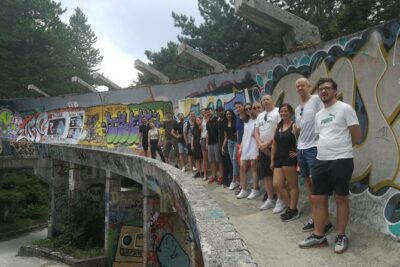
Break-up of Yugoslavia & The War in Mostar: Life Under Siege
Read our review →
Sarajevo to Srebrenica: Genocide Study Tour with War Veteran
Read our review →
Sarajevo Grand Tour: Old Town, War Tunnel, Olympic Sites & More
Read our review →Browse the lists this tour appears in