
Reviewed · WAR & SIEGE TOURS
Sarajevo City SIghtseeing / War Bike Tour
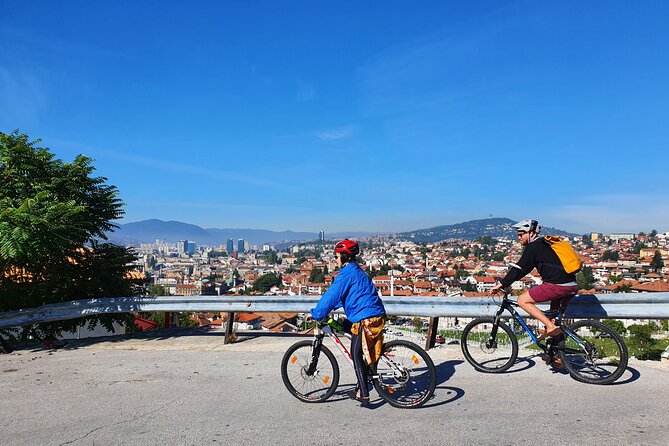
Sarajevo’s story is best understood from a bicycle. This tour links Ottoman streets, Austro-Hungarian landmarks, modern Sarajevo, and Bosnian War sites in one long day, with a local guide explaining how the city fits together. You will pedal from the old center to Vrelo Bosne and the Tunnel of Hope, covering far more ground than a standard walking tour.
I like the small group limit of 10, which gives guides such as Mustafa, Mirza, Said, or Arna room to explain the city and answer questions. I also like that the bike, helmet, museum tickets, and spring admission are included. The main catch is physical: one review puts the ride at more than 25 miles, so this is not a gentle sightseeing loop.
Key points to know before booking
- More than a city-center tour: You see Baščaršija, major religious sites, the river, Parliament, Vrelo Bosne, and the War Tunnel.
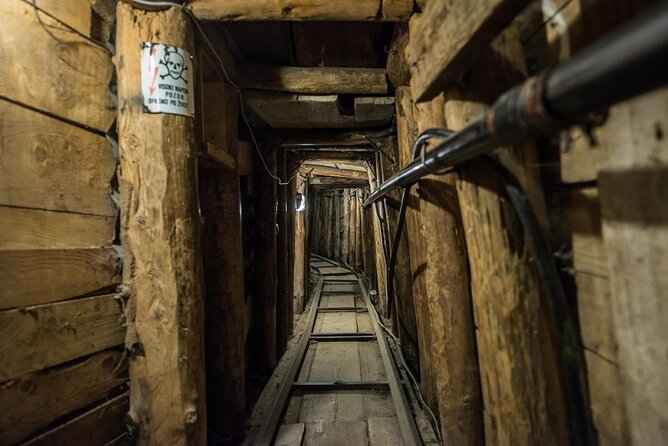
- The Tunnel of Hope is the emotional center: The museum explains how Sarajevo stayed linked to territory held by Bosnian forces during the war.
- A small group makes a difference: The maximum of 10 supports a more personal pace and easier conversation with your guide.
- Expect a full cycling day: The listed duration is about 6 to 7 hours, and the route may exceed 25 miles.
- Guides shape the experience: Mustafa, Mirza, Said, and Arna are named in the tour information, with particular praise for clear explanations, local insight, and friendly organization.
- Good value if you want range: At $138.34 per person, the price is higher than a short walking tour, but it includes equipment, two admissions, and a full day of transport under your own power.
Why Sarajevo works so well by bicycle
Sarajevo is compact in its old center, but its important stories are spread across the valley and surrounding area. A walking tour can show you Baščaršija and the central landmarks. This bike tour adds the wider city, the Bosna River spring, and the Tunnel of Hope without requiring you to arrange separate transport.
I like the way the route moves through different periods rather than treating Sarajevo as one single historical chapter. You begin among Ottoman lanes and market stalls, pass buildings tied to the Austro-Hungarian period and the First World War, then reach places marked by the 1990s siege.
That change of setting gives the commentary more weight. You are not just hearing about Sarajevo’s past in a museum room. You are moving through the streets where those events took place, then riding to the edge of the city for two important sites.
The group size is another strength. With no more than 10 people, you are less likely to lose the guide’s explanation at a busy square. The guides are central to the experience. Mustafa is praised for taking time with city highlights and adding less obvious stops. Mirza is described as both informative and entertaining, while Said is noted for being accommodating and charming. Arna’s focus is Bosnian history and culture, along with useful suggestions for food, shopping, and further sights.
More tours about the siege and the war:
- Fall of Yugoslavia, Sarajevo War Tour with Tunnel of Hope Museum and Frontlines
★ 5.0 · 1,314 reviews - ROSES OF SARAJEVO (Official WAR + CITY tour)- Story of a Survivor
★ 5.0 · 770 reviews - Tunnel Museum: Bosnian & Yugoslav Wars Tour with War Veteran
★ 5.0 · 551 reviews
Baščaršija: Sebilj and the coppersmiths’ lane
The tour begins at 9:00 am on Obala Isa-bega Ishakovića 3. From there, you reach Sebilj, the famous wooden fountain in Baščaršija. Built in the 18th century, it is one of Sarajevo’s most recognizable meeting points.
The stop itself is short, listed at about five minutes, but the surrounding square gives you a quick sense of old Sarajevo. Cobblestones, cafés, small shops, and Ottoman-style buildings make this a useful place to begin. You can get your bearings before the ride gathers pace.
Next comes Kazandžiluk, one of the oldest streets in the market quarter. This narrow pedestrian lane is known for its coppersmiths, who make coffee pots, trays, jewelry, and other goods by hand. It is a practical stop for understanding Sarajevo’s Ottoman trade traditions, and it gives you a chance to note souvenirs you may want to return for later.
Because the street is pedestrian-only, expect to walk the bike through this part rather than pedal freely. That is a minor point, but it is worth knowing. The value here is not speed. It is the close look at craft shops and the chance to see a working commercial street rather than a preserved monument.
City Hall, the House of Spite, and the Latin Bridge
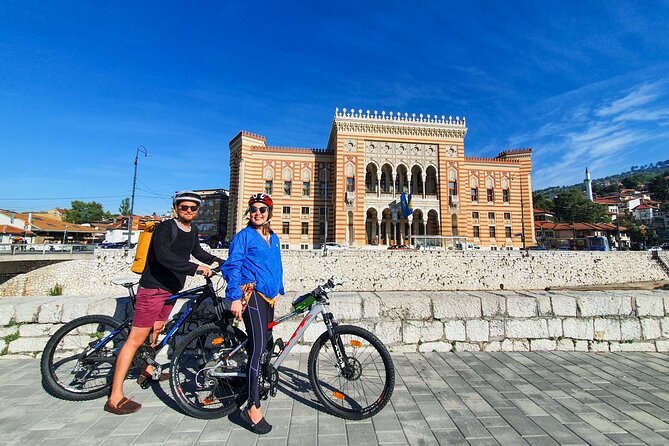
Vijećnica, Sarajevo’s City Hall, is one of the city’s most striking buildings. Its Moorish Revival design dates to 1894, when Sarajevo was under Austro-Hungarian rule. It later served as the National Library and suffered severe damage during the siege of Sarajevo.
The building reopened after restoration in 2014. Your guide can connect its ornate exterior to the destruction and rebuilding of the city, making this more than a quick architectural photo stop. You should allow time to look upward at the patterns and colors, even though the listed stop is brief.
Across the river is Inat Kuća, or the House of Spite. The story is classic Sarajevo: when authorities wanted the site for City Hall, the owner refused to sell. The building was moved brick by brick to the opposite bank.
Today it operates as a restaurant serving traditional Bosnian food. You may not have time for a meal during the tour, but note it as a possible return stop. Its location also gives you a good view back toward City Hall.
The Latin Bridge brings you to the event that triggered the First World War. Archduke Franz Ferdinand was assassinated nearby in 1914. The bridge itself dates from the Ottoman period and remains a small but important landmark.
The tour does not treat Sarajevo as a collection of disconnected sights. The guide links the Ottoman bridge, Austro-Hungarian City Hall, and the later war years into one urban story. That connection is one of the strongest reasons to choose a guided ride.
Mosques, markets, and Sarajevo’s religious mix
Gazi Husrev-beg Mosque is the largest mosque in Sarajevo and dates to 1530. Its architecture reflects the city’s Ottoman past, and the site remains a major part of Sarajevo’s religious and cultural life.
The nearby Gazi-Husrev Beg’s Bezistan is a covered market from the 16th century. Its arched passages once protected merchants and shoppers from the weather. Today, shops operate beneath the arcades, making it a useful place to browse after the tour if you want another look.
The Sacred Heart Cathedral adds a different layer. Built in the late 19th century, it is the largest cathedral in Bosnia and Herzegovina and a major Neo-Gothic landmark in the center.
These stops matter because Sarajevo’s identity is not neatly divided into one tradition. The mosque, covered bazaar, and cathedral sit within the same central area, and a good guide can explain how the city’s communities and empires shaped one another. The listed visits are short, around five minutes each, so expect outside views and concise explanations rather than long interior visits.
More bike days around Sarajevo:
- Trebevic Mountain Biking Tour from Sarajevo – Bobsleigh Track
★ 5.0 · 16 reviews - Skakavac Waterfall Mountain Biking Tour from Sarajevo MTB
★ 5.0 · 11 reviews - Sarajevo E-Bike City Tour
★ 5.0 · 3 reviews - Downhill Sarajevo MTB Mountain Biking Adventure on Trebevic – Half Day Tour
★ 5.0 · 3 reviews
Parliament and the ride toward Vrelo Bosne
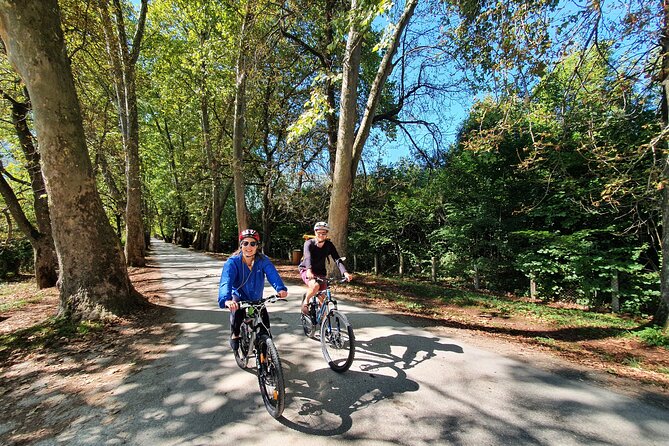
The Parliamentary Assembly building offers a look at more recent Sarajevo. Built in 1982, it is a modernist structure designed by architect Juraj Neidhardt. It was badly damaged during the siege and later restored.
By this point, the ride has moved from the old market quarter into the wider city. That change is useful. You see Sarajevo as a living capital, not simply as a historic center preserved for sightseeing.
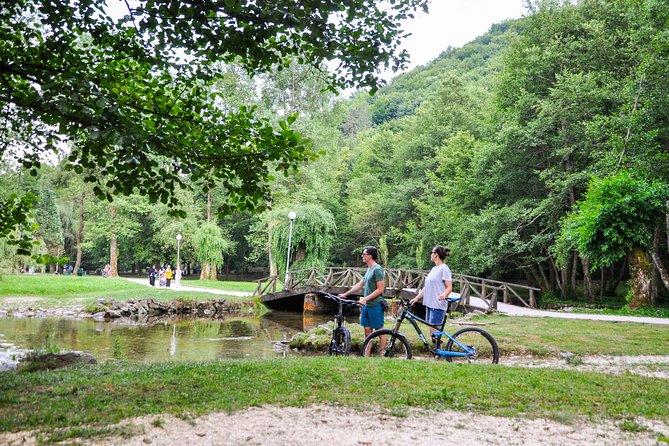
The route then reaches Vrelo Bosne, the public park where the Bosna River begins at the foot of Mount Igman. Admission is included, and the tour allows about an hour here.
This is the day’s quieter change of pace. After city streets and war-related landmarks, the spring and park provide time outdoors. You can expect a setting centered on water, trees, and the foothills rather than buildings and memorials.
The exact cycling conditions and pace are not provided, so you should ask the guide at the start about the planned route and breaks. Still, the inclusion of Vrelo Bosne helps explain why the tour lasts most of a day. It is not simply a quick transfer to the next museum.
The Tunnel of Hope and Sarajevo’s siege
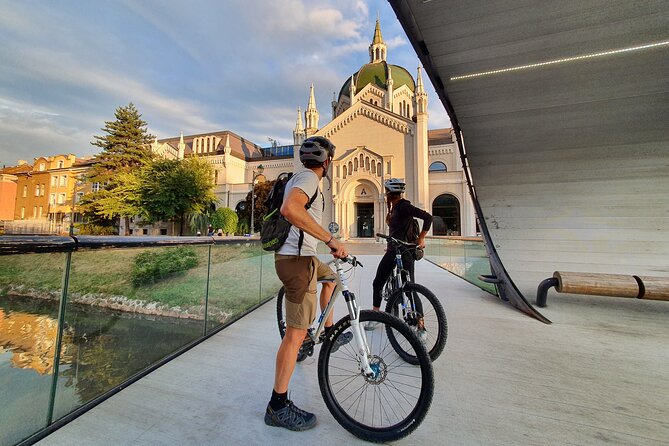
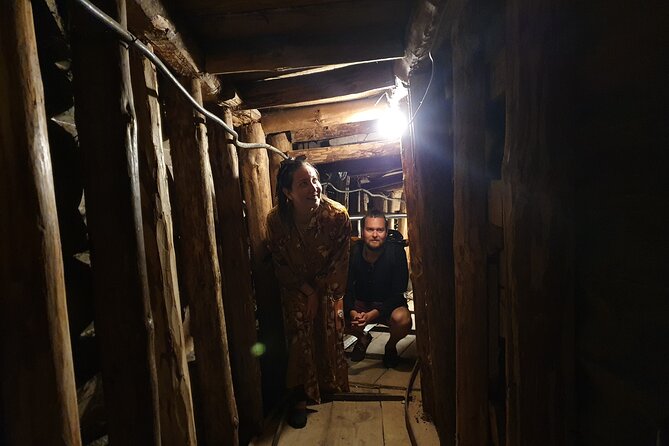
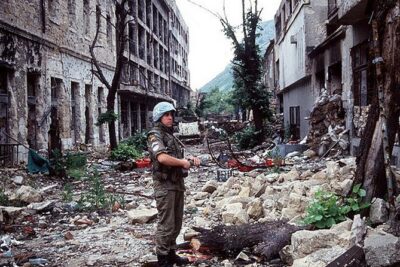
The Sarajevo War Tunnel is the tour’s most important stop. During the Bosnian War, the tunnel linked two areas held by Bosnian forces that had been cut off by the Army of Republika Srpska.
The tunnel is often called the Tunnel of Hope because it gave Sarajevo a vital connection during the siege. The museum admission is included, and the visit lasts about an hour.
This is where the tour’s earlier city history becomes personal and immediate. You have already seen buildings damaged and restored, but the tunnel explains the practical problem of surviving when roads and normal supply lines were blocked. A museum visit cannot tell every part of the story, yet it gives you a clear physical sense of the city’s wartime isolation.
Plan to listen carefully here. The subject is painful, and the value comes from the guide’s context as much as from the tunnel itself. Reviews of the tour repeatedly praise guides for presenting the war in an engaging, clear way without turning the day into a dry lecture.
The ride back ends at the original meeting point. Since the total duration is about 6 to 7 hours, keep the rest of your day flexible. You may be ready for a quiet dinner rather than another major attraction.
Price, effort, and what you receive
The cost is $138.34 per person. That is a substantial price for Sarajevo, especially compared with a short walking tour or a self-guided visit to Baščaršija.
The comparison changes when you count what is included. You receive a bicycle, helmet, admission to Vrelo Bosne, and entry to the War Tunnel Museum. You also get a guide for a full day and transport between sites by bike. There are no listed extra exclusions.
The best value comes if you want an active overview and would otherwise need to arrange taxis or separate tours for the outer sites. If you only want the old town, the price may feel high. If you want the city center, the spring, and the tunnel in one organized experience, the cost is easier to justify.
The physical demand is the key condition. A ride of more than 25 miles can suit confident cyclists, but it may be too much if you are looking for a relaxed sightseeing day. Ask about the route, terrain, and planned stops before setting off. The tour requires good weather, and poor conditions can lead to a new date or a full refund.
The maximum group size is 10, and the tour is offered in English. Most people can participate, and the starting point is near public transportation. Confirmation is sent within 48 hours of booking, subject to availability.
Who should book the Sarajevo War Bike Tour?
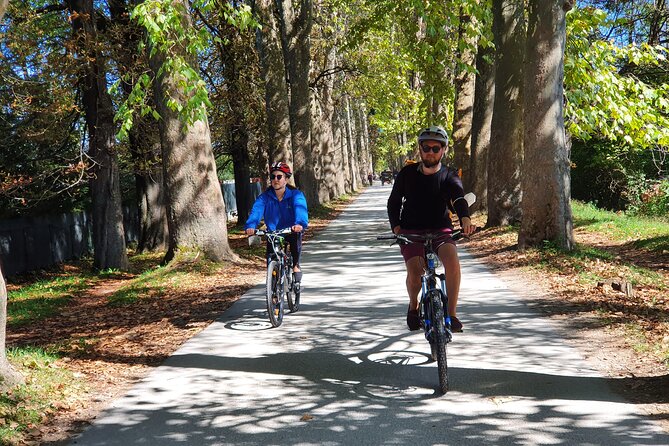
I would choose this tour if you want a fast but meaningful introduction to Sarajevo and are comfortable spending most of a day on a bicycle. It suits people who value local explanation over a loose list of photo stops, especially those interested in the Ottoman period, the First World War, and the Bosnian War.
It is also a smart choice early in your stay. The route gives you restaurant and shopping ideas in the old town, while the guide can point out places worth revisiting. Arna, in particular, is noted for giving practical suggestions for eating, shopping, and further exploring.
I would hesitate if you dislike long rides, have limited cycling experience, or want extended time inside each central monument. The short city stops are designed to keep the whole route moving. This is a broad city tour, not a series of slow museum visits.
Free cancellation is available up to 24 hours before the start time. If the minimum group is not met, the operator offers another date, another experience, or a full refund.
FAQ
How long does the Sarajevo City Sightseeing and War Bike Tour last?
The tour lasts approximately 6 to 7 hours.
What time does the tour start?
The start time is 9:00 am.
Where does the tour begin?
It begins at Obala Isa-bega Ishakovića 3, Sarajevo 71000, Bosnia and Herzegovina.
Where does the tour finish?
The tour ends back at the meeting point.
What is the maximum group size?
The group can include a maximum of 10 people.
Is the tour offered in English?
Yes. The experience is offered in English.
Are bicycles and helmets included?
Yes. Use of a bicycle and helmet is included.
Are the Tunnel of Hope and Vrelo Bosne admission fees included?
Yes. Admission to the War Tunnel Museum and Vrelo Bosne is included.
How far does the bike ride travel?
One review describes the ride as just over 25 miles. The supplied tour information lists the total duration but does not give an official distance.
Can I cancel for a full refund?
Yes. You can cancel at least 24 hours before the start time for a full refund. Changes or cancellations made less than 24 hours before the start time are not accepted for a refund.
Is the tour affected by bad weather?
Yes. The experience requires good weather. If poor weather causes cancellation, you are offered a different date or a full refund.
Should you book it?
Book this tour if you want Sarajevo’s major sights tied together by a local guide, and if a long ride sounds like part of the fun. The combination of Baščaršija, Vrelo Bosne, and the Tunnel of Hope gives you a much broader view than a short old-town walk.
Skip it if you want a slow, mostly indoor day or are not ready for a ride that may exceed 25 miles. For an active visitor with one day to understand Sarajevo’s past and present, the included equipment, admissions, small group, and strong guide focus make the $138.34 price reasonable.
Just added around Sarajevo
- Private Full Day Safari Tour★ 5.0 · 8 reviews
- Walking Tour in Sarajevo★ 5.0 · 3 reviews
- Sarajevo Under Siege: A War History Tour★ 5.0 · 10 reviews
- Mysterious Visoko Pyramids Driving and Walking Tour★ 5.0 · 7 reviews
- Secret Tito’s Bunker/Konjic Tour★ 5.0 · 4 reviews
- Travnik, Jajce, Pliva Lakes & Mills –Medieval & Ottoman Bosnia Full Day Tour★ 5.0 · 3 reviews
- The last day of Franz Ferdinand Walking Tour★ 5.0 · 10 reviews
- Sarajevo to/from Zagreb Transfer Day Tour (North-central Bosnia)★ 5.0 · 4 reviews
War & Siege Tours, compared.
Fall of Yugoslavia, Sarajevo War Tour with Tunnel of Hope Museum and Frontlines
Read our review →
ROSES OF SARAJEVO (Official WAR + CITY tour)- Story of a Survivor
Read our review →
Tunnel Museum: Bosnian & Yugoslav Wars Tour with War Veteran
Read our review →
Sarajevo War Tour: A Veteran’s Story of the Siege (fees included)
Read our review →
Break-up of Yugoslavia & The War in Mostar: Life Under Siege
Read our review →
Sarajevo to Srebrenica: Genocide Study Tour with War Veteran
Read our review →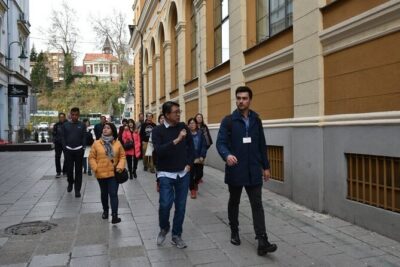
Sarajevo Grand Tour: Old Town, War Tunnel, Olympic Sites & More
Read our review →Browse the lists this tour appears in