
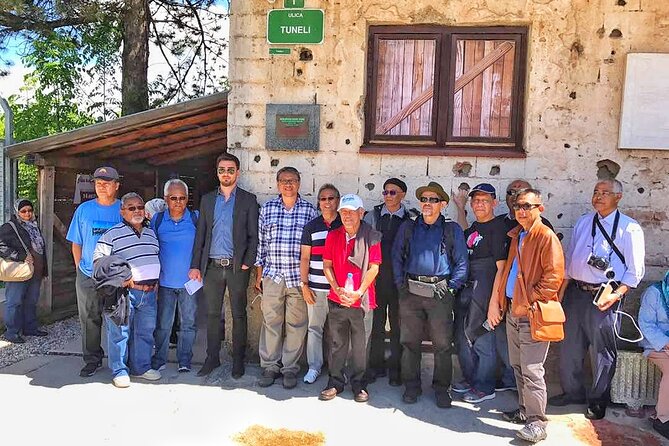
Reviewed · TUNNEL OF HOPE TOURS
Sarajevo: A City Under Siege – War Tour With Tunnel Museum
Sarajevo’s wartime story becomes far more real when you see the Tunnel of Hope, the narrow passage that helped the city survive its long siege. This 3 to 4 hour tour also takes you to Sniper Alley, a former sniper position at the Jewish Cemetery, the abandoned Olympic bobsleigh track, and the Yellow Fortress.
I like the efficient route and the chance to reach sites spread across Sarajevo without arranging separate taxis. I also like the human side of the guiding, especially the modern-day context shared by guides such as Edis and Elvis. The main drawback is that the €10.50 Tunnel Museum entry fee is not included in the $40.81 tour price.
Key points at a glance
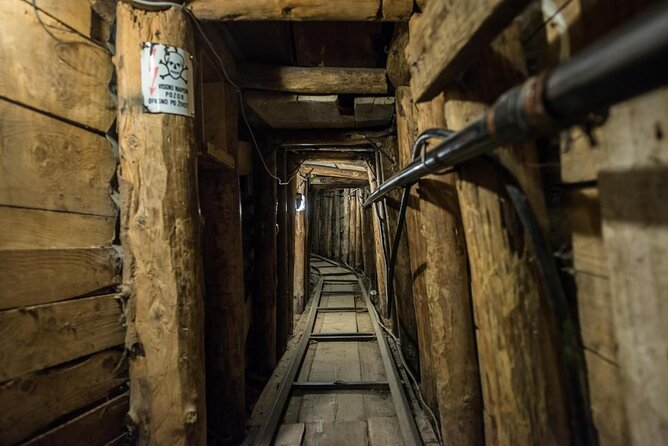
- The Tunnel of Hope anchors the tour: Allow about an hour for Sarajevo’s most important wartime site, with admission paid separately.
- You see Sarajevo from several angles: The route combines city streets, former frontline positions, mountain views, and a fortress lookout.
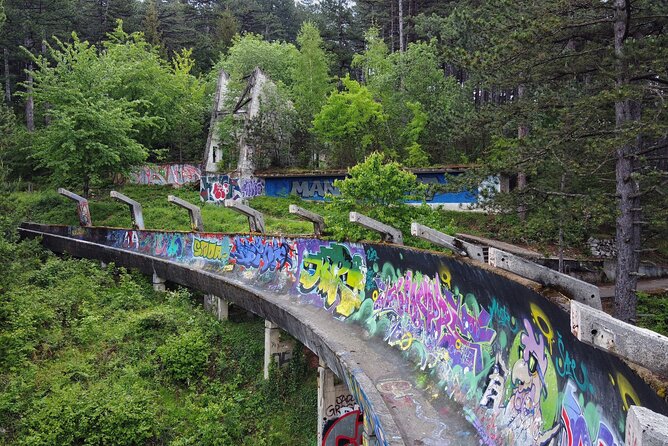
- The Olympic track has a striking wartime story: The 1984 bobsleigh and luge venue later sat on the frontline and is now covered in graffiti.
- The guide adds the meaning: Edis and Elvis are among the guides associated with this experience, and the strongest part of the tour is the clear historical explanation.
- The group stays fairly small: A maximum of 15 people makes it easier to hear the guide than on a large coach outing.
- The price needs one calculation: The listed cost covers transport, water, and guiding, but you should add €10.50 for the Tunnel Museum.
Why this tour matters in Sarajevo
Sarajevo is a city where ordinary streets carry memories of war. A road can look perfectly normal today, yet the same place once marked a dangerous crossing point. A mountain attraction built for the 1984 Winter Olympics later became part of the frontline. This tour links those pieces together.
I like that the experience does not stay inside a single museum. You move through the city and its hills, seeing how Sarajevo’s geography shaped daily life during the siege. The route gives you both the physical evidence and the wider explanation.
The tour is also useful if you have limited time. In one afternoon, you visit five major locations without having to work out the road connections yourself. The air-conditioned vehicle matters on a route that includes the city center, the airport area, and Trebevic mountain.
The subject is serious. Expect stories about danger, survival, and loss rather than a light sightseeing trip. I would schedule it when you have enough time afterward to think about what you have seen.
More visits to the Tunnel of Hope:
- Fall of Yugoslavia, Sarajevo War Tour with Tunnel of Hope Museum and Frontlines
★ 5.0 · 1,314 reviews - Tunnel Museum: Bosnian & Yugoslav Wars Tour with War Veteran
★ 5.0 · 551 reviews - Tunnel of Hope Tour – Survival and Resilience
★ 5.0 · 118 reviews
Starting at the House of Spite
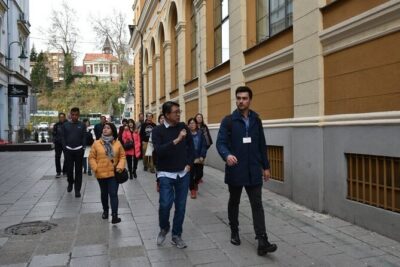
The tour begins at the House of Spite, at Veliki Alifakovac 1, at noon. This is a central meeting point near Sarajevo’s historic core, and the activity returns there at the end.
The start time is practical for a morning spent exploring the old town. You can have breakfast, visit a market or museum, then meet the group at midday. Since the tour lasts about 3 to 4 hours, you should expect to finish in the afternoon.
Confirmation arrives when you book, and the activity is offered in English. The group can include up to 15 people. That is not a private tour, but it is small enough for the guide’s explanations to remain personal and easy to follow.
The vehicle is air-conditioned, and bottled water is included. Sarajevo can be warm in the middle of the day, so these are modest but useful touches. Public transportation is nearby, though the organized vehicle is the better choice for reaching the mountain stops and the Tunnel Museum in one outing.
The Tunnel of Hope: Sarajevo’s essential wartime stop
The Sarajevo War Tunnel, also called the Tunnel of Hope, receives about an hour of the tour. Admission is not included, so budget an additional €10.50 per person.
This is the emotional center of the experience. The tunnel tells how Sarajevo’s people kept supplies and connections moving during the siege. It is not presented as a polished attraction detached from the city. Its value comes from showing how a practical passage became a symbol of resistance and the will to survive.
The tour description identifies the siege as the longest in modern history. That fact can feel abstract when you read it in a book. Inside the tunnel museum, the scale becomes easier to grasp because the story is tied to a real route beneath the airport area.
You should allow the full hour here. Rushing through this stop would weaken the whole tour, since later locations make more sense after you understand the basic wartime situation. The separate entrance charge is the clearest extra cost, but I consider it worthwhile because this is the one stop that gives the rest of the route its structure.
If you prefer only scenic sightseeing, this part may feel heavy. If you want to understand Sarajevo rather than simply photograph it, it is essential.
Sniper Alley and the danger of crossing the city
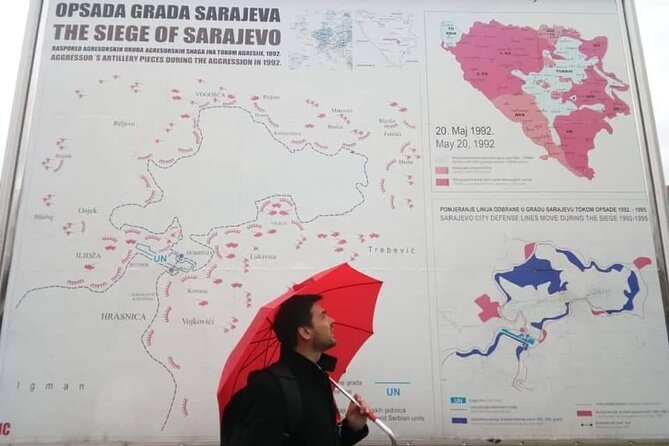
The stop at Sniper Alley lasts about 30 minutes and has no separate admission fee. During the siege, this was one of the most dangerous areas to cross in Sarajevo.
The name is blunt, and that is appropriate. The stop helps you connect the war to the city’s roads, buildings, and daily routines. Instead of viewing the siege as something that happened far away from normal life, you see the kind of urban space where people had to move, work, and find supplies under extreme danger.
The stop is short, so the guide’s explanation matters. A good guide can place the road within the wider story of the city and explain what made this route so exposed. Guides including Edis and Elvis have been praised for clear explanations, friendly communication, and discussion of what it is like to live in Sarajevo today.
That present-day link is important. The tour is not only about frozen wartime images. It also helps you consider how a city carries its past while continuing with ordinary life.
More tours about the siege and the war:
- ROSES OF SARAJEVO (Official WAR + CITY tour)- Story of a Survivor
★ 5.0 · 770 reviews - Sarajevo War Tour: A Veteran’s Story of the Siege (fees included)
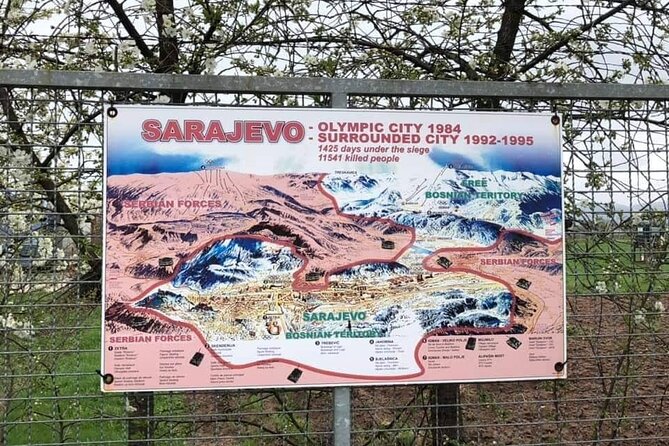
★ 5.0 · 326 reviews - Sarajevo 1425 days under the siege – War Tour
★ 5.0 · 170 reviews - Sarajevo to Srebrenica: Genocide Study Tour with War Veteran
★ 5.0 · 131 reviews
The Jewish Cemetery, a historic site turned sniper position
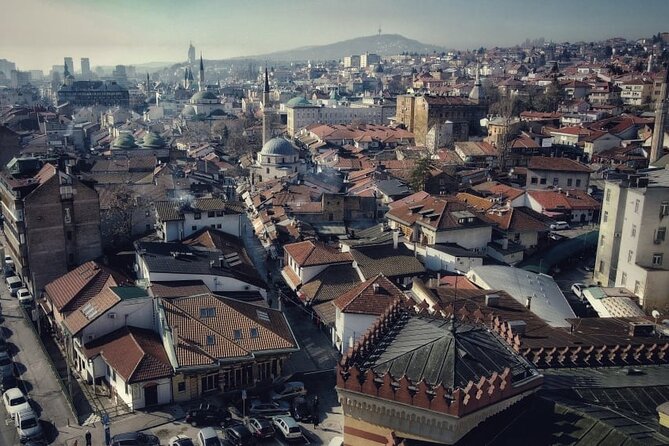
The Jewish Cemetery receives another 30 minutes. Entry is free, and the site has two distinct layers of meaning.
It is one of the oldest Jewish cemeteries in southeastern Europe, yet during the Bosnian War it was also used as a sniper position. That contrast gives the stop unusual weight. You are not looking at only a military location or only a historic cemetery. You are seeing a place where Sarajevo’s older communities and its more recent conflict meet.
The cemetery also helps broaden the tour beyond a simple account of the siege. Sarajevo’s story includes different religious and cultural communities, and this stop points to the city’s long Jewish presence. The war changed how the place was viewed and used, but it did not erase its earlier importance.
You may find this stop especially valuable if you want more than battlefield history. It brings a human and cultural dimension to the route. The half-hour visit should be enough for the guide to explain the site without making the afternoon feel rushed.
The Olympic bobsleigh track on Trebevic
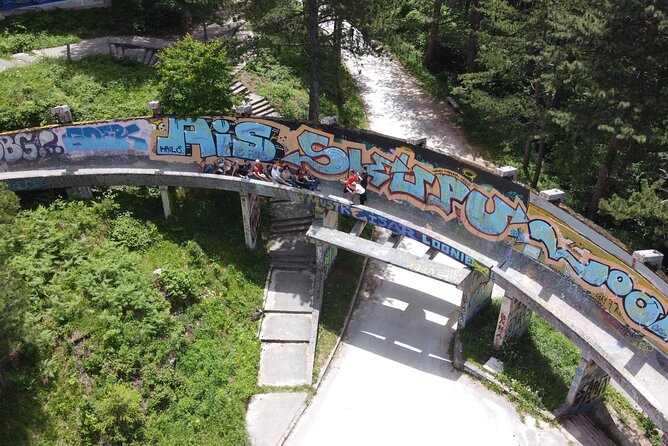
The Olympic bobsleigh and luge track is scheduled for about an hour. There is no admission fee.
Built for the 1984 Winter Olympics, the track was once one of Sarajevo’s most beautiful sporting sites. During the war, it sat on the frontline. Today, it is an abandoned structure marked by graffiti, giving it a stark appearance that is very different from its original Olympic purpose.
This is one of the tour’s most memorable contrasts. The venue represents celebration, international attention, and athletic achievement. Its later wartime role shows how quickly a city’s public spaces can change.
I like the fact that this stop adds visual variety. The Tunnel Museum and Sniper Alley focus on survival in an urban setting. Trebevic gives you a mountain location and a large abandoned structure with a story that reaches from the Olympics to the war.
The hour-long visit also gives the guide time to explain both periods. You are not simply being taken to a ruined track for photographs. The attraction works because its Olympic past and wartime setting are inseparable.
The graffiti and abandoned condition may appeal to you if you enjoy unusual historic sites. If you expect a restored Olympic venue, adjust your expectations. Its appeal is precisely that it remains visibly worn and altered.
Yellow Fortress and the view over Sarajevo
The final sightseeing stop is the Yellow Fortress, about 15 minutes above City Hall. There is no admission fee.
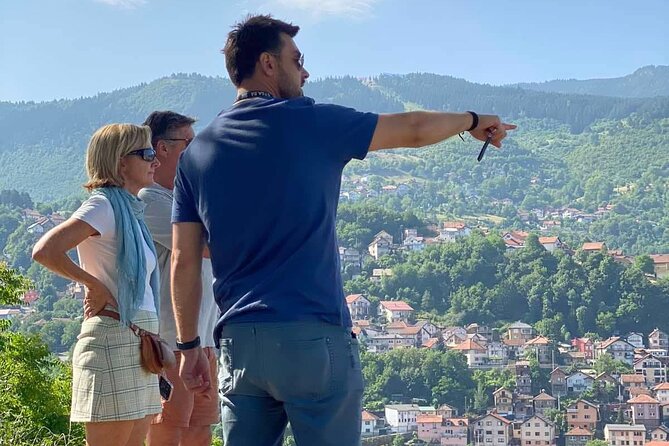
This is the quickest stop, but it provides a useful visual finish. From the fortress, you get a broad view over Sarajevo and the surrounding hills. After hearing how roads, cemeteries, tunnels, and mountain positions shaped the war, the panorama helps you see the city as a whole.
The stop is short, so think of it as a lookout rather than a full fortress visit. Bring your camera, but give the guide your attention too. The view is more useful once you can connect it to the places discussed earlier.
The location above City Hall also brings the tour back toward Sarajevo’s historic center. It is a calmer ending after the heavier wartime sites.
What the $40.81 price really covers
The listed price is $40.81 per person. That includes an air-conditioned vehicle, bottled water, and an English-speaking guide. The Tunnel Museum ticket costs an additional €10.50 per person, and tips are not included.
For a 3 to 4 hour route with five stops, the price is reasonable if you value transport and explanation. You are paying to connect locations that are not all within a simple walking circuit, especially the Tunnel Museum and Trebevic. The guide is the part that makes the outing worthwhile, since the sites need context.
The extra museum fee should not surprise you, but it does affect the final budget. Add it before comparing this tour with other Sarajevo activities. If you are choosing between a basic transfer and a guided experience, the added cost here goes toward interpretation rather than just transport.
The maximum group size of 15 is another value point. You do not get a private vehicle, but the group is limited enough that the English commentary should be manageable.
Who will get the most from this experience
I would choose this tour if you are visiting Sarajevo for the first time and want a clear introduction to the siege. It suits people who prefer history explained on location rather than read from a guidebook.
It is also a good fit if you have only a few days in the city. The route covers several major wartime sites in one afternoon and adds the Olympic track and a panoramic lookout.
You should also consider it if you want to understand modern Sarajevo. The guide’s discussion of present-day life adds useful balance to the war history. The strongest guiding appears to combine factual explanation with warmth and good communication, qualities associated with Edis and Elvis.
This may not be the right pick for someone seeking a relaxed scenic drive. The subject is difficult, and several stops focus directly on danger and wartime suffering. Families can participate, since most people can take part, but adults should decide how suitable the topic is for younger children.
Wear practical shoes for the different sites, though the provided information does not specify walking distances or trail conditions. The main route is vehicle-based, which limits the physical demands compared with a walking tour.
Practical booking advice for midday
Meet at the House of Spite, Veliki Alifakovac 1, at 12:00 p.m. The tour ends back at the same meeting point, so it is easy to plan dinner or another activity afterward.
Book with the Tunnel Museum fee in mind. The tour price and the museum entry are separate, and tips are also extra. Mobile ticketing makes the booking simple, while confirmation is provided at the time of booking.
Free cancellation is available if you cancel at least 24 hours before the local start time. Changes or cancellations made less than 24 hours before departure are not accepted for a refund.
The tour is offered in English only. If you need another language, this is not the right choice based on the available details.
Should you book the Sarajevo War Tour?
Yes, if you want Sarajevo’s wartime story explained through real places rather than treated as a quick museum stop. The Tunnel of Hope, Sniper Alley, Jewish Cemetery, Olympic bobsleigh track, and Yellow Fortress create a strong half-day route, and the air-conditioned vehicle saves you the trouble of arranging transport between them.
The best reason to book is the guiding. Edis and Elvis are associated with especially strong explanations, friendly communication, and useful insight into present-day Sarajevo. You should add €10.50 for the Tunnel Museum and expect serious subject matter.
Skip it only if you want a purely cheerful sightseeing outing or have little interest in twentieth-century history. For most first-time visitors who want to understand how Sarajevo survived and how it lives today, this is a focused, good-value introduction.
FAQ
Where does the Sarajevo War Tour begin?
It begins at the House of Spite, Veliki Alifakovac 1, Sarajevo 71000, Bosnia and Herzegovina.
What time does the tour start?
The tour starts at 12:00 p.m.
Where does the tour end?
The activity ends back at the meeting point.
How long does the experience last?
It lasts approximately 3 to 4 hours.
Is the tour offered in English?
Yes. An English-speaking guide is included.
What is included in the price?
The price includes an air-conditioned vehicle, bottled water, and an English-speaking guide.
Is the Tunnel Museum admission included?
No. Admission to the Tunnel Museum costs €10.50 per person and is paid separately.
How many people can join the tour?
The maximum group size is 15 people.
Is the tour accessible by public transportation?
The meeting point is near public transportation.
Can I cancel for a full refund?
Yes, if you cancel at least 24 hours before the experience start time. Cancellations made less than 24 hours before the start time are not refunded.
More Museums and Memorial Sites in Sarajevo
- Tunnel of Hope Museum Tour
★ 5.0 · 38 reviews - Cable Car Olympic Tour With Museum
★ 5.0 · 17 reviews - SARAJEVO CONCEPTUAL ART TOUR (galleries, art and arhitecture)
★ 5.0 · 7 reviews
Just added around Sarajevo
- Private Full Day Safari Tour★ 5.0 · 8 reviews
- Walking Tour in Sarajevo★ 5.0 · 3 reviews
- Sarajevo Under Siege: A War History Tour★ 5.0 · 10 reviews
- Mysterious Visoko Pyramids Driving and Walking Tour★ 5.0 · 7 reviews
- Secret Tito’s Bunker/Konjic Tour★ 5.0 · 4 reviews
- Travnik, Jajce, Pliva Lakes & Mills –Medieval & Ottoman Bosnia Full Day Tour★ 5.0 · 3 reviews
- The last day of Franz Ferdinand Walking Tour★ 5.0 · 10 reviews
- Sarajevo to/from Zagreb Transfer Day Tour (North-central Bosnia)★ 5.0 · 4 reviews
Tunnel of Hope Tours, compared.
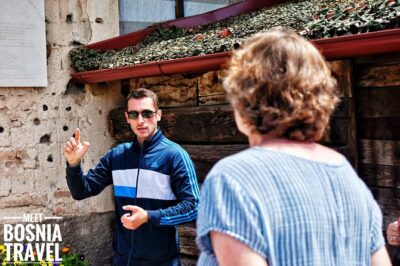
Fall of Yugoslavia, Sarajevo War Tour with Tunnel of Hope Museum and Frontlines
Read our review →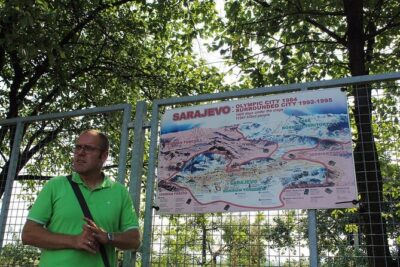
Tunnel Museum: Bosnian & Yugoslav Wars Tour with War Veteran
Read our review →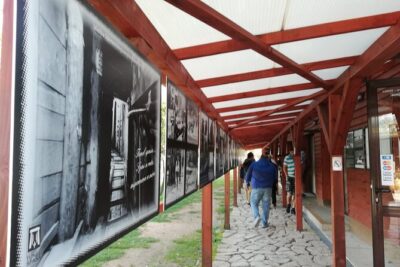
Sarajevo Grand Tour: Old Town, War Tunnel, Olympic Sites & More
Read our review →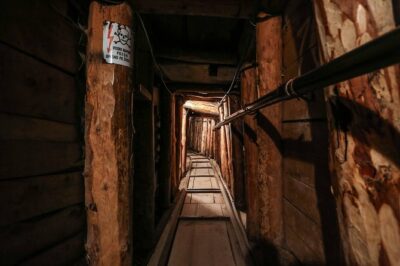
Times of Misfortune – Life Under Siege and the Tunnel of Hope
Read our review →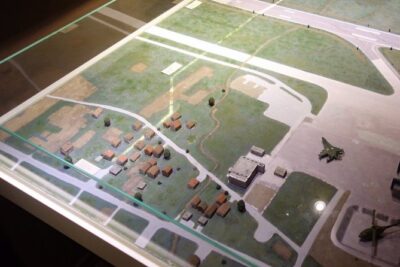

WAR TUNNEL – Sarajevo’s only way of a communication during the WAR – Top secret
Read our review →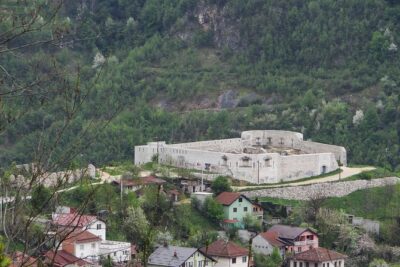
SARAJEVO SIEGE TIMES ’92-’95 / Sarajevo Roses & Tunnel of Hope /
Read our review →Browse the lists this tour appears in