
Reviewed · TUNNEL OF HOPE TOURS
WAR TUNNEL – Sarajevo’s only way of a communication during the WAR – Top secret
Sarajevo’s War Tunnel is a small museum with a huge story. During the four-year siege, this narrow passage was the city’s link to the outside world. You’ll walk through part of it, then connect that experience to Markale market, Sniper Alley, City Hall, and the old town.
I like two things here. First, the tour puts the tunnel in context instead of treating it as an isolated sight. Second, guides such as Aid, Adna, Argan, Eddie, and Amir are known for mixing the wider story with personal Sarajevo experiences. The main consideration is that the museum section is brief and the tunnel is physically narrow, while the overall timing can vary from about 1 hour 40 minutes to 2 hours 30 minutes.
Key points to know before booking
- The Tunnel of Hope is the focus: Walk through a surviving section of the passage that connected besieged Sarajevo with the outside world.
- The route begins in central Sarajevo: Meet at Gazi Husrev-beg 75, or arrange pickup from your location.
- The city stops add vital context: Markale, Sniper Alley, City Hall, and Baščaršija help explain how the siege affected daily life.
- The guide matters here: The company uses licensed English-speaking guides, with Aid, Adna, Argan, Eddie, and Amir named in guest feedback.
- The price is partly separate: The tour costs $30.10 per person, but the Tunnel of Hope admission fee is 15 BAM.
- It is a compact history tour: The advertised group size can reach 50 people, so ask about the day’s group size if you prefer a quieter experience.
Why Sarajevo’s War Tunnel deserves your time
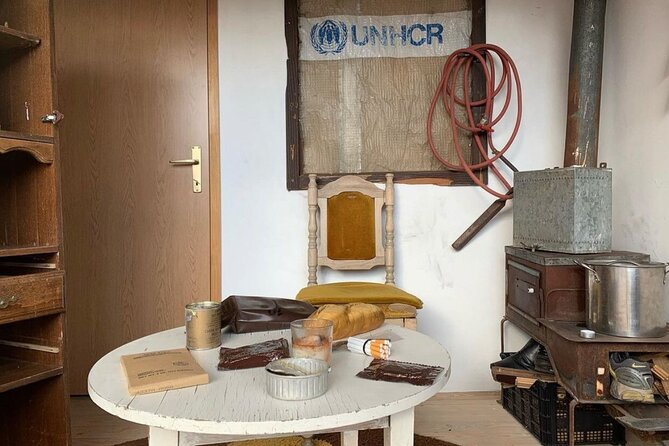
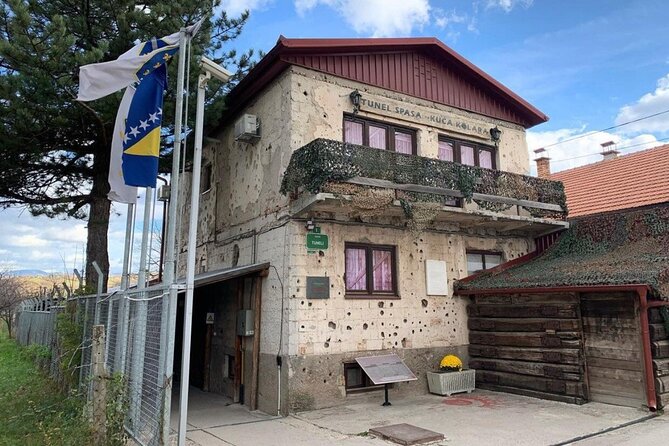
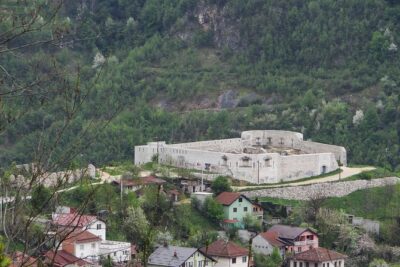
The Tunnel of Hope Museum is not a grand monument. That is part of its power. The museum presents a surviving portion of the tunnel that ran beneath the airport area during the siege. It was about 800 meters long and served as Sarajevo’s only connection with the outside world during those four years.
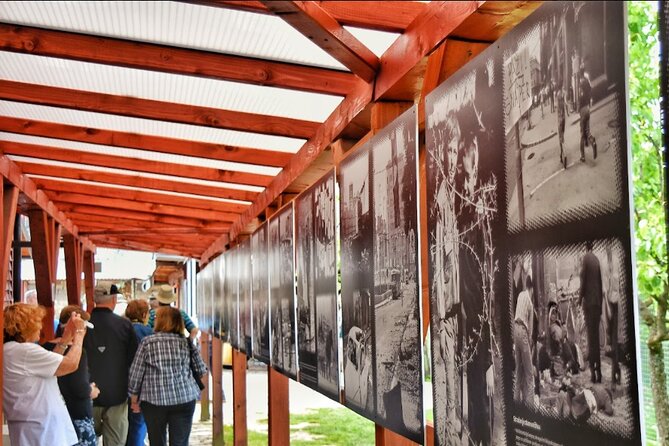
You do not see all 800 meters. The museum allows you to walk through part of the passage, then view displays about the siege and the tunnel’s purpose. The space is narrow and plain. Do not expect a polished attraction with a long series of galleries. The value comes from understanding what this cramped route meant to a city cut off from normal roads and supplies.
I find the physical scale important. A guide can explain blockades, supply lines, and military positions, but walking through a tight section gives you a more direct sense of the difficult conditions. It is a short walk, yet it helps turn a distant event into something you can picture.
This is also a serious experience. Markale and Sniper Alley are connected to civilian deaths and daily danger. The guide’s job is not simply to point at damaged buildings. You should expect a sober account of the breakup of Yugoslavia, the siege, and the way ordinary people tried to find food and stay alive.
More visits to the Tunnel of Hope:
- Fall of Yugoslavia, Sarajevo War Tour with Tunnel of Hope Museum and Frontlines
★ 5.0 · 1,314 reviews - Tunnel Museum: Bosnian & Yugoslav Wars Tour with War Veteran
★ 5.0 · 551 reviews - Tunnel of Hope Tour – Survival and Resilience
★ 5.0 · 118 reviews
Starting at Gazi Husrev-beg Street
The tour begins at Meet Bosnia Tours on Gazi Husrev-beg 75 in central Sarajevo. If your hotel or accommodation is nearby, the company may ask you to meet at the office instead of sending a vehicle. Pickup and drop-off are available when arranged for your location.
At the office, you meet the licensed guide before setting out in a modern vehicle. Bottled water, a professional driver, and transportation are included. The vehicle matters because the tour links central Sarajevo with the tunnel museum, which is outside the immediate old-town sightseeing zone.
The advertised group limit is 50 people. That is a fairly large possible group for a subject that benefits from questions and quiet explanation. The actual experience may feel smaller, but you should not assume a private tour unless you book one specifically. Several accounts describe especially strong one-to-one or small-group experiences with Aid, but this standard activity does not promise that format.
Markale market and the civilian story
Markale market is one of the tour’s most important stops. During the siege, it remained a place where people could seek food and other basic supplies despite the danger. It was also the site of two major massacres attributed in the tour description to the Army of Republika Srpska.
This stop gives the tour a necessary civilian focus. Military history can become a list of fronts and dates. Markale brings the discussion back to the people who still had to shop, find food, and move through the city while under threat.
Your guide will explain what happened here and why the market became such a painful symbol of the siege. Expect a short stop rather than a long museum visit. The point is the setting and the explanation, not a large collection of objects.
I appreciate that Markale appears before the tunnel. The sequence helps you understand why a hidden route mattered. If roads and public spaces were dangerous, an underground connection could mean food, medicine, communication, and a chance to keep the city functioning.
Driving through Sniper Alley
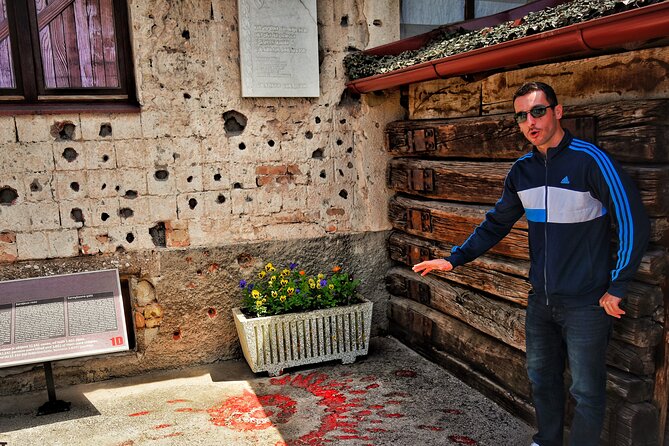
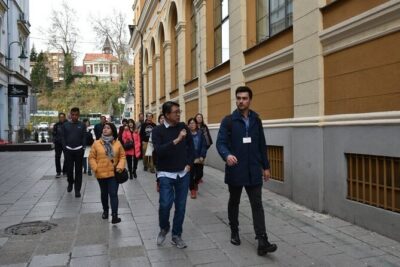
The route continues through Sniper Alley, described as Sarajevo’s most dangerous street during the war. Along the way, you see Yugoslav-era buildings that still show the effects of the conflict. The guide uses the drive to explain where the danger came from and how the city’s residents lived with it.
This is not a battlefield walk. You remain in the vehicle for the main part of the route, with the guide pointing out buildings and locations. That makes the stop accessible for most people, but it also means your view depends on traffic, the vehicle’s position, and the pace of the drive.
The strength of this section is the guide’s narration. Several guides connected with the company, including Aid, are praised for explaining the war clearly and answering questions without hesitation. Aid is also described as a Sarajevo local who used back streets and shortcuts while explaining how the siege unfolded. Those details can make the drive feel less like a sightseeing loop and more like a guided reading of the city.
Do not expect every damaged building to have a sign. The guide’s spoken account is the main source of meaning here. If a story or location interests you, ask questions while you have the chance.
More tours about the siege and the war:
- ROSES OF SARAJEVO (Official WAR + CITY tour)- Story of a Survivor
★ 5.0 · 770 reviews - Sarajevo War Tour: A Veteran’s Story of the Siege (fees included)
★ 5.0 · 326 reviews - Sarajevo 1425 days under the siege – War Tour
★ 5.0 · 170 reviews - Sarajevo to Srebrenica: Genocide Study Tour with War Veteran
★ 5.0 · 131 reviews
City Hall and the route back through Baščaršija
Sarajevo City Hall is another short sightseeing stop. The building is a major city symbol and was rebuilt after being badly damaged in the Bosnian War. Its ornate appearance and restored condition offer a sharp contrast with the damaged buildings seen elsewhere on the route.
The stop is useful because the tour is not limited to destruction. Sarajevo’s story also includes repair and the return of civic life. City Hall helps show that the city’s identity continued beyond the war years.
On the return route, you pass Sarajevo’s old town and Baščaršija, the best-known historic quarter. This is not presented as a full old-town tour, so you should save time to explore Baščaršija separately. Still, passing through it helps connect the wartime story to the Sarajevo most people come to see: the central streets, market lanes, and Ottoman-era character.
If you have just arrived in Sarajevo, this drive is a useful orientation. You see how quickly the city’s mood and architecture can change from old-town streets to war-damaged apartment blocks and modern traffic routes.
Inside the Tunnel of Hope Museum
The Tunnel of Hope is the main attraction, and admission is not included in the tour price. The entrance fee is 15 BAM. The tour description allows about two hours for this stop, although the total experience is listed at approximately 1 hour 40 minutes to 2 hours 30 minutes, so the exact timing may vary.
At the museum, you learn how the tunnel worked as Sarajevo’s lifeline. The passage was about 800 meters long, but only part of it is open for walking today. You will see displays about the siege and enter the surviving section of the tunnel.
The museum is small. That is worth knowing before you book. If you want a large military museum with extensive exhibits, this may feel limited. If you want one physical place that shows the cramped conditions of wartime communication and supply, it is much more effective.
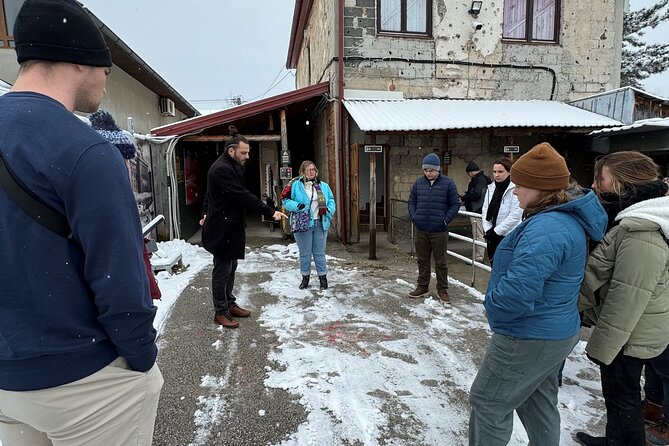
Guides add the detail that the museum alone cannot provide. Accounts of this tour describe personal family and neighborhood stories, including the idea that virtually every Sarajevo family was affected in some way. You should listen closely, because the most memorable information may come during the drive or while standing beside a plain wall rather than from a formal display.
The tunnel can also be physically awkward. The supplied information does not list a specific accessibility rating or detailed tunnel dimensions, so contact the operator if you need special assistance. Most people can participate, but a narrow passage and a serious subject are both worth considering before booking.
What the $30.10 price includes
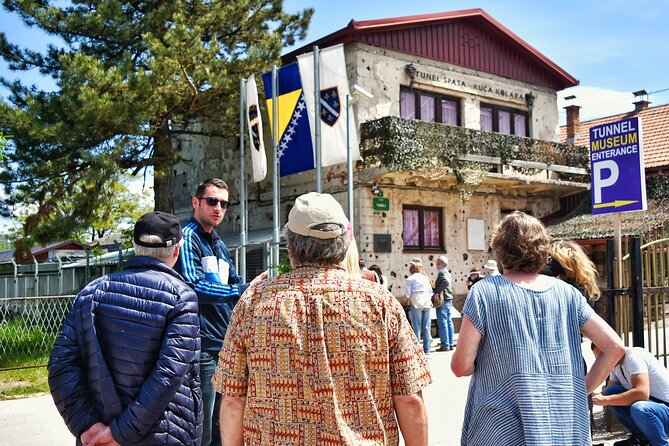
At $30.10 per person, the tour offers reasonable value if you want transportation and a guide rather than arranging the route yourself. You receive a licensed guide, professional driver, modern vehicle, bottled water, and hotel pickup and drop-off when available.
The price does not include the 15 BAM museum entrance fee or personal expenses. That extra cost is modest, but it should be part of your budget. The tour also saves you the effort of working out transport between central Sarajevo and the tunnel museum.
The strongest part of the value is the interpretation. You can reach the museum independently, but you would miss the linked explanation of Markale, Sniper Alley, City Hall, and the tunnel. The guide turns separate locations into one story.
A possible weakness is the group size. With up to 50 people, the price is not the same as a private guide. If you want a more personal pace, ask whether a private or smaller option is available. The supplied experiences show that the company can provide a more tailored visit, but this particular booking does not promise one.
Guides, language, and the human side of the tour
The tour is offered in English and led by a licensed professional guide. Names associated with especially positive experiences include Aid, Adna, Argan, Eddie, and Amir. You may not receive one of these specific guides, but the company’s strongest feature is clearly its use of local storytelling.
That matters in Sarajevo. The war is recent enough that personal memory still shapes how the story is told. A guide who can explain family experiences, local geography, and the emotional effect of the siege gives the tour a human scale that a printed timeline cannot match.
The accounts connected with this experience also describe guides as courteous, willing to answer questions, and passionate about Bosnia and Herzegovina. I would use that as a reason to come prepared with questions. Ask about daily life, the tunnel’s role, the buildings along Sniper Alley, or how the city changed after the war.
The tone is serious, but the tour is not presented as a lecture. The best version will feel like a conversation while moving through places that still carry visible scars.
Practical details for planning your morning or afternoon
The tour runs Monday through Friday, with listed operating hours from 9:00 a.m. to 5:30 p.m. Confirmation is provided at booking. Pickup is offered, but if your location is close to the agency, you may be asked to meet at Gazi Husrev-beg 75.
The activity ends back at the agency unless you use the arranged drop-off service. It is near public transportation, which is helpful if you are staying outside the old town or continuing to another part of Sarajevo afterward.
The company says most people can participate. Still, the tunnel is narrow, the topic includes massacres and civilian suffering, and the timing can change with the route and group. I would avoid scheduling a tight connection immediately afterward.
Free cancellation is available up to 24 hours before the start time. Changes or cancellations made less than 24 hours before departure are not accepted for a refund.
Who should book this Sarajevo war tour?
I would choose this experience if you want the tunnel to make sense within the city’s wider wartime story. It suits first-time visitors who want a guided introduction, families with older children who can handle difficult history, and anyone interested in the breakup of Yugoslavia and the siege of Sarajevo.
It is also a good choice if you do not have a car or want to avoid arranging transport to the museum. Hotel pickup and drop-off make the logistics simple, while the city stops add much more than a direct visit to the tunnel alone.
You might skip it if you only want architecture, food, or a light introduction to Sarajevo. The subject is painful, and the tour does not soften that reality. You might also prefer a private option if you want long discussions at each stop or a slower pace.
Should you book the Tunnel of Hope tour?
Book it if you want a concise but serious introduction to Sarajevo’s siege, with the tunnel as the central experience. The combination of Markale, Sniper Alley, City Hall, Baščaršija, and the museum gives you a better understanding than visiting the tunnel alone.
At $30.10 plus 15 BAM admission, the price is fair for guided transport and local explanation. Just confirm pickup details, allow for the possible group size, and plan for a sober visit rather than a casual sightseeing outing. If your guide is Aid, Adna, Argan, Eddie, or Amir, be ready to ask questions. The personal stories are likely to be the part you remember longest.
FAQ
Where does the tour start?
The meeting point is Meet Bosnia Tours at Gazi Husrev-beg 75, Sarajevo 71000, Bosnia and Herzegovina.
Is hotel pickup included?
Yes. Hotel pickup and drop-off are included when arranged. If your pickup location is close to the agency, you may be asked to meet at the starting point instead.
How long does the tour take?
The advertised duration is approximately 1 hour 40 minutes to 2 hours 30 minutes. The Tunnel of Hope portion is listed at about two hours, though the exact schedule can vary.
Is the Tunnel of Hope entrance fee included?
No. Admission to the Tunnel of Hope Museum costs 15 BAM and is paid separately.
What language is the tour offered in?
The tour is offered in English.
What sights are included besides the tunnel?
The route includes Markale market, Sniper Alley, Sarajevo City Hall, and a drive through Sarajevo’s old town and Baščaršija.
Can I cancel for a full refund?
Yes, if you cancel at least 24 hours before the experience start time. Cancellations or changes made less than 24 hours before the start time are not accepted for a refund.
Just added around Sarajevo
- Private Full Day Safari Tour★ 5.0 · 8 reviews
- Walking Tour in Sarajevo★ 5.0 · 3 reviews
- Sarajevo Under Siege: A War History Tour★ 5.0 · 10 reviews
- Mysterious Visoko Pyramids Driving and Walking Tour★ 5.0 · 7 reviews
- Secret Tito’s Bunker/Konjic Tour★ 5.0 · 4 reviews
- Travnik, Jajce, Pliva Lakes & Mills –Medieval & Ottoman Bosnia Full Day Tour★ 5.0 · 3 reviews
- The last day of Franz Ferdinand Walking Tour★ 5.0 · 10 reviews
- Sarajevo to/from Zagreb Transfer Day Tour (North-central Bosnia)★ 5.0 · 4 reviews
Tunnel of Hope Tours, compared.
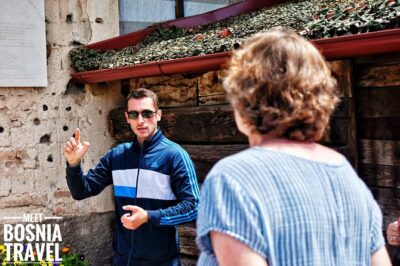
Fall of Yugoslavia, Sarajevo War Tour with Tunnel of Hope Museum and Frontlines
Read our review →
Tunnel Museum: Bosnian & Yugoslav Wars Tour with War Veteran
Read our review →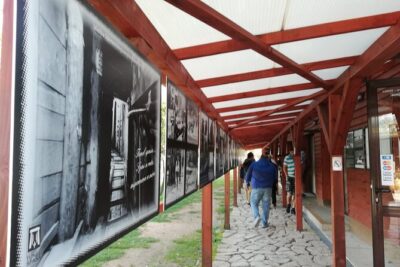
Sarajevo Grand Tour: Old Town, War Tunnel, Olympic Sites & More
Read our review →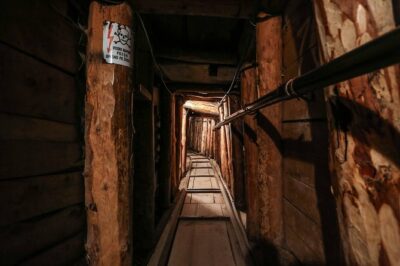
Times of Misfortune – Life Under Siege and the Tunnel of Hope
Read our review →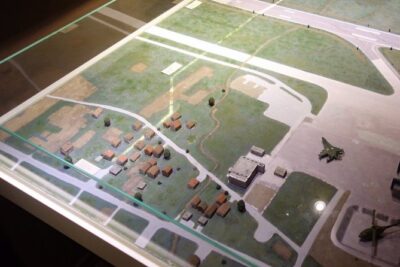
SARAJEVO SIEGE TIMES ’92-’95 / Sarajevo Roses & Tunnel of Hope /
Read our review →
Browse the lists this tour appears in